
Separating and composting toilets – how they work, types and how to use them

A separating toilet is one of the simplest sanitation solutions for a camper, van, boat or holiday cabin. It needs no flushing water and no chemicals, and often no electricity. To keep it free of odours and hassle, though, you need to know a few rules. In this guide we go through it step by step, just like in our infographic: design, preparation, use, emptying and cleaning. Then we list the most common problems and how to fix them, and finally we look at the types of separating toilets and compare them with cassette and incinerating toilets.
You will find the full range in the Composting toilets category. Kits for converting cassette toilets are in Chemical toilet to composting toilet conversions.
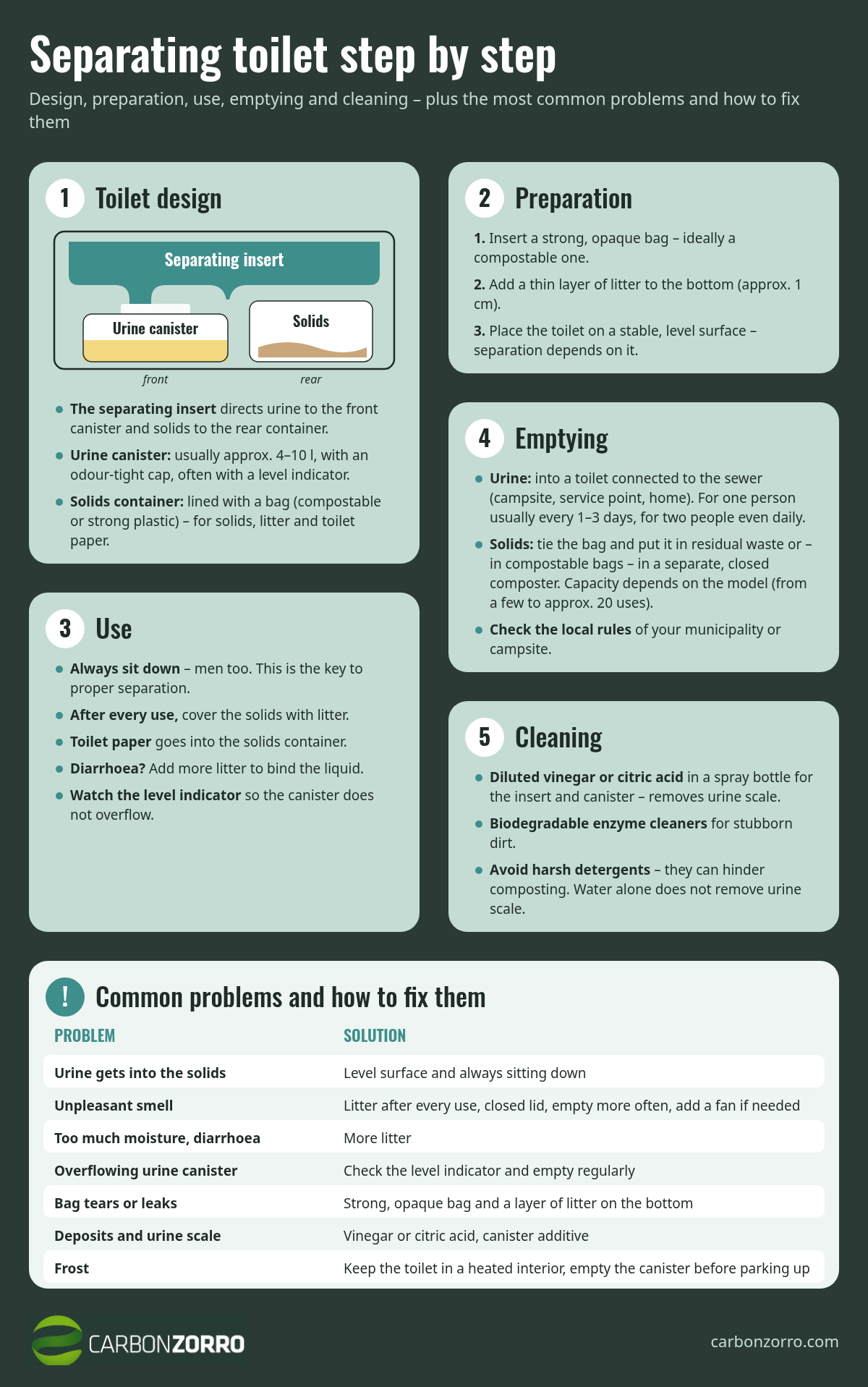
Step 1: Design – what a separating toilet consists of
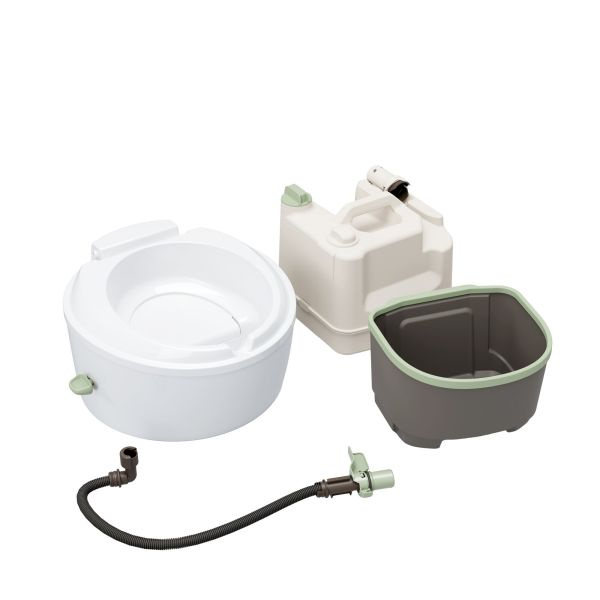
Every separating toilet, from a small portable unit to a stationary one, has the same three main parts:
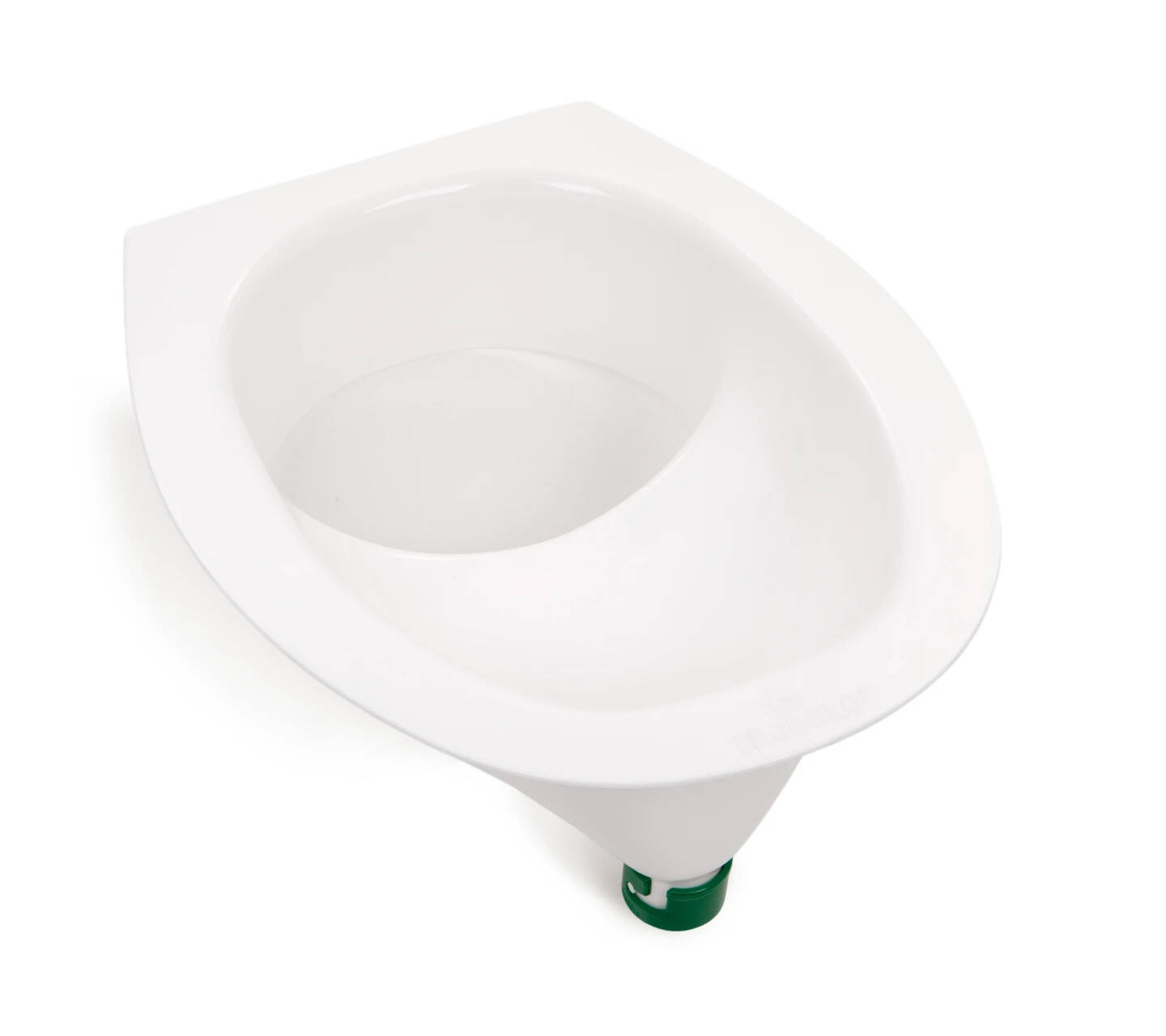
- ✓The separating insert is the heart of the toilet. It directs urine to the front and solids to the rear container.
- ✓The urine canister usually holds approx. 4–10 l (e.g. 4.6 l in the WandaGO, 10 l in the stationary TeraBlœm) and has an odour-tight cap. Many models have a level indicator that warns you before it overflows.
- ✓The solids container is lined with a bag: compostable, recycled or another strong one. It collects solids, litter and toilet paper.
Why a separating toilet does not smell
Unpleasant toilet odour mainly develops when urine mixes with solids. A separating toilet prevents this:
- 1The separating insert directs urine from the front into a canister, while solids fall into the rear container.
- 2Litter (e.g. fine wood shavings, coconut fibre, special granules) covers the solids, binds moisture and reduces odour. The solids dry out instead of rotting.
- 3Tight lids and flaps keep odours inside the canister and container. Many models also have spill protection for the urine.
- 4Ventilation (built in on some models or available as an accessory) removes moisture and odours to the outside of the vehicle.
Used correctly, a separating toilet needs no flushing water and no tank chemicals. Normal toilet paper is fine, ideally put into the solids container.
Separating vs composting toilet – what is the difference
In the camper world people usually say “composting toilet”, but almost all mobile models are in fact separating toilets, i.e. dry toilets that separate liquids from solids.
- ✓A separating toilet has a special insert that separates urine and solids straight away. Urine flows into a canister, while solids drop into a separate container, usually lined with a bag, and are covered with litter. The container is emptied after a few days, so no composting takes place inside the toilet.
- ✓A composting toilet in the strict sense has an integrated composter in which the waste breaks down into compost. It needs a large chamber (often several hundred litres), ventilation and time. According to the manufacturer TROBOLO, turning it into finished compost usually takes about 24 months. Such systems are used in cabins and buildings rather than in vehicles.
The contents of a separating toilet can be composted later in a separate, closed composter, but most often they are simply disposed of. More on this in the section on emptying.
Step 2: Preparation – before first use
- 1Put a bag into the solids container. Ideally a strong, opaque one, compostable or recycled. If the contents will go to a composter, choose a compostable bag.
- 2Add a thin layer of litter to the bottom, approx. 1 cm. It absorbs moisture and makes emptying the bag easier.
- 3Place the toilet on a stable, level surface. This lets the urine flow properly into the canister. A tilted toilet is the most common reason why urine mixes with solids.
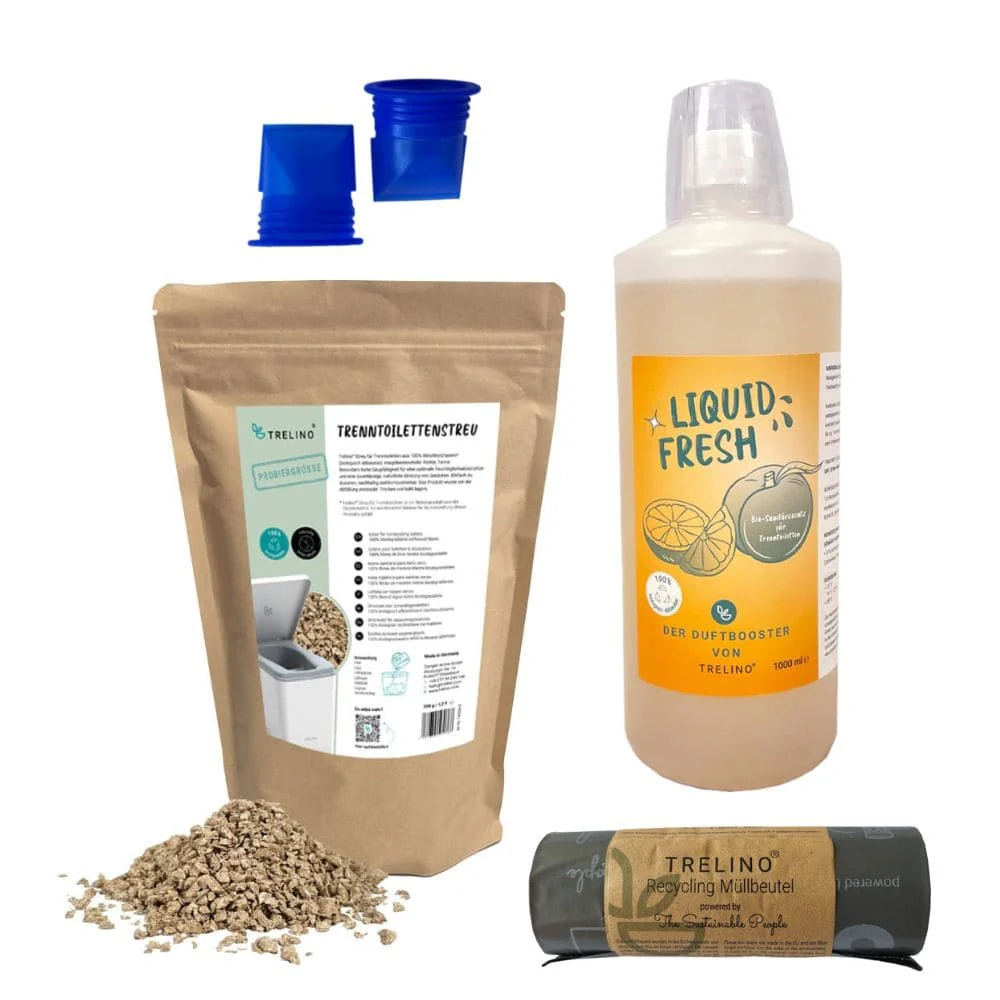
Which litter and bags to use
Litter can be fine wood shavings, coconut fibre or ready-made granules. Trelino advises against ordinary cat litter, as it is heavy and may have its own smell. According to the manufacturer, a 25 l bag of TROBOLO litter (100% pine) lasts about 85–115 uses.
Litter and bags
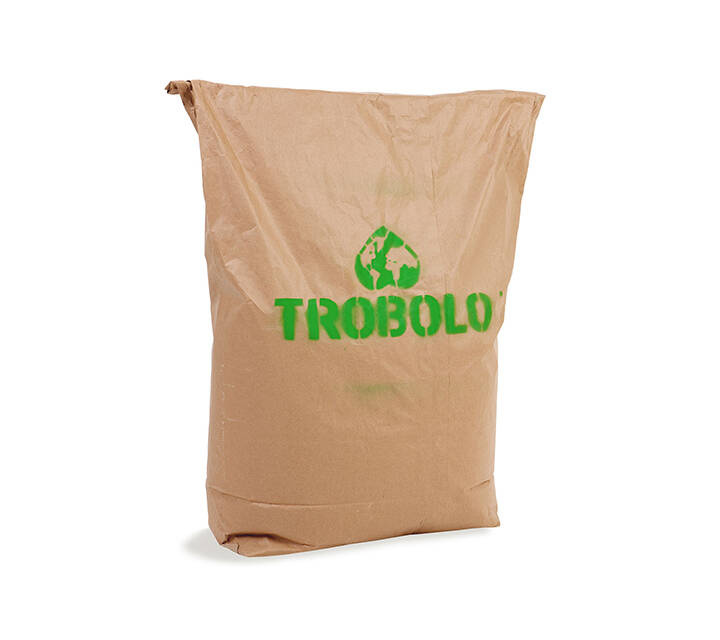
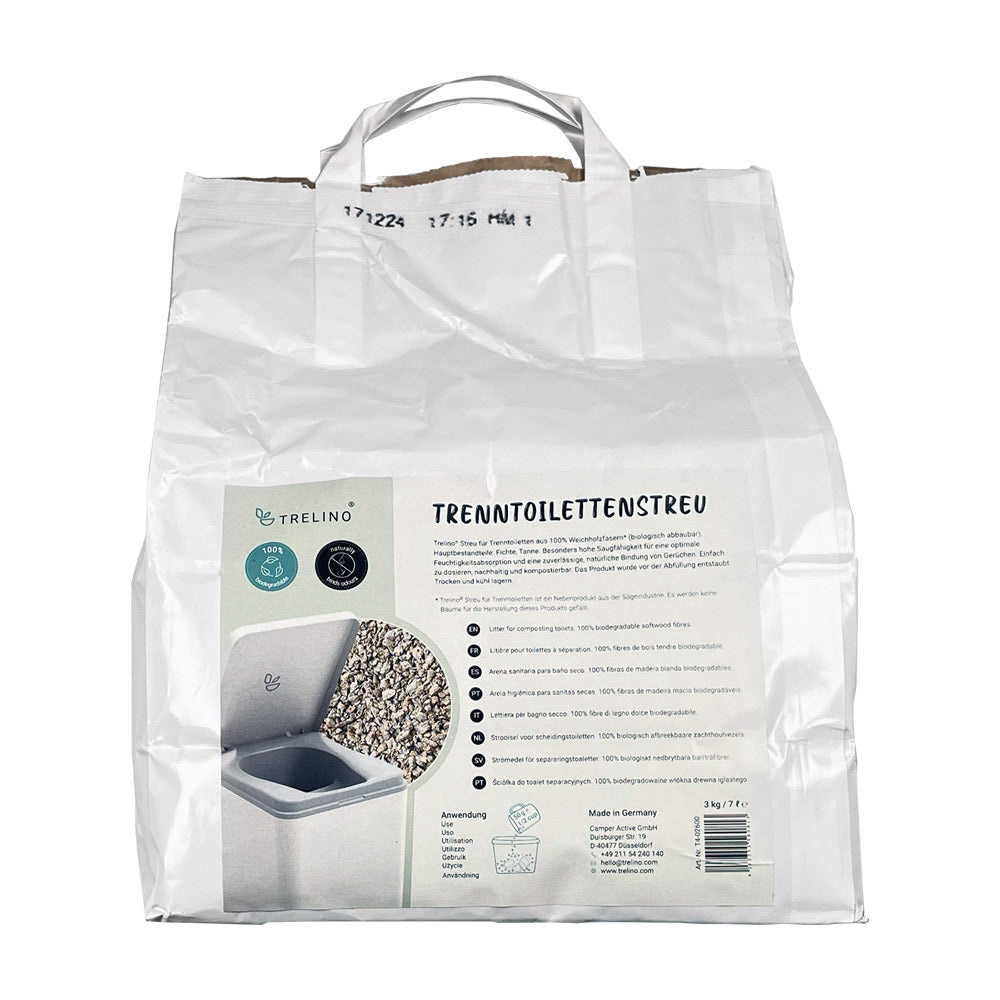
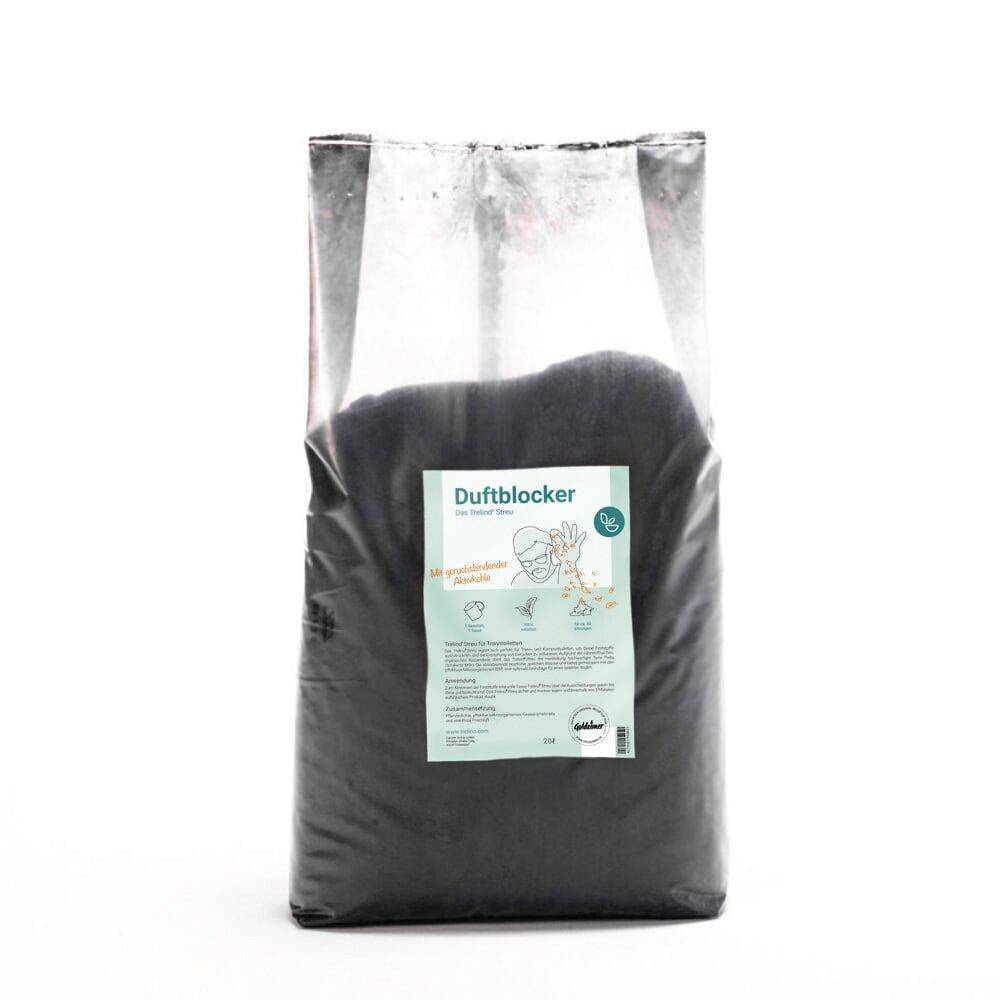
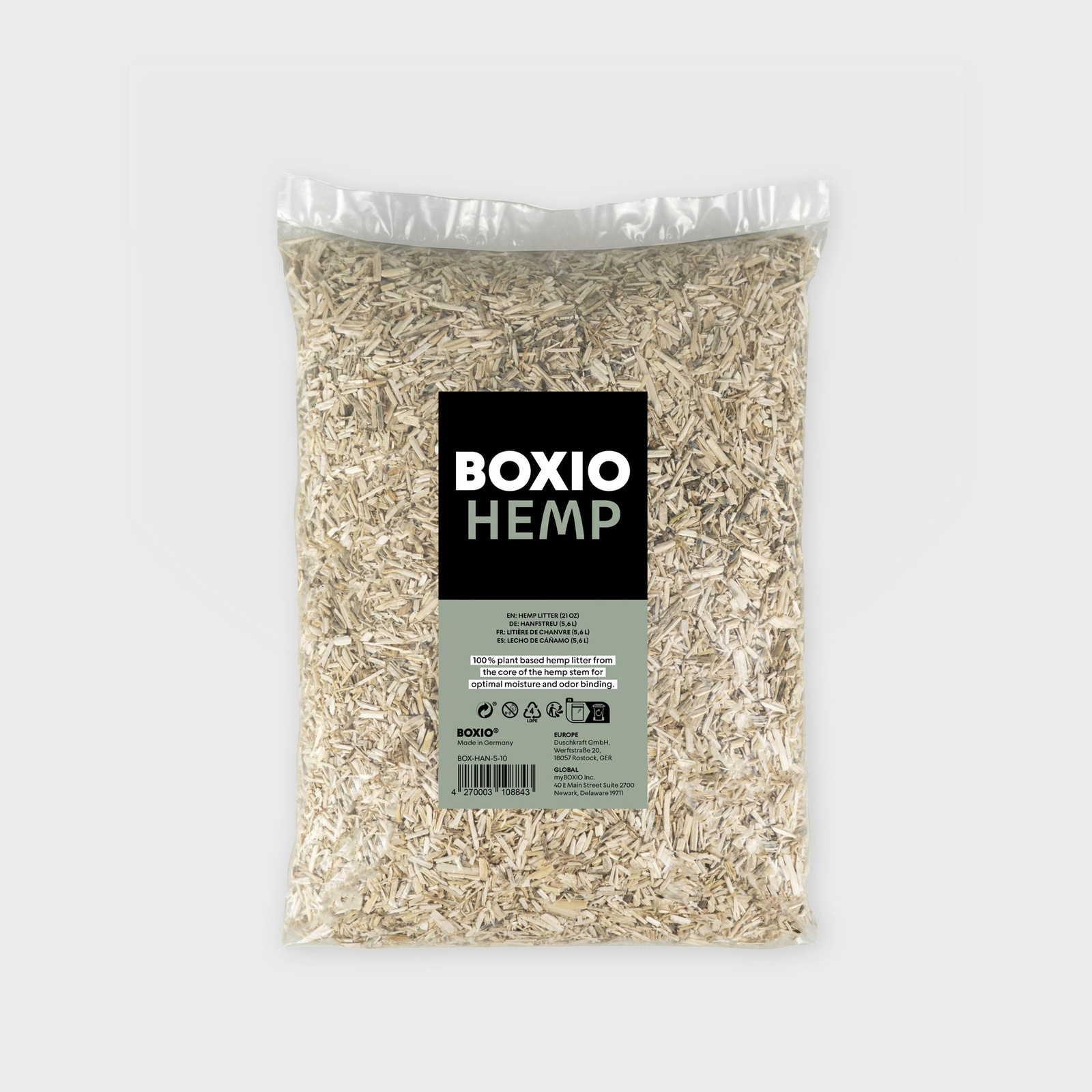
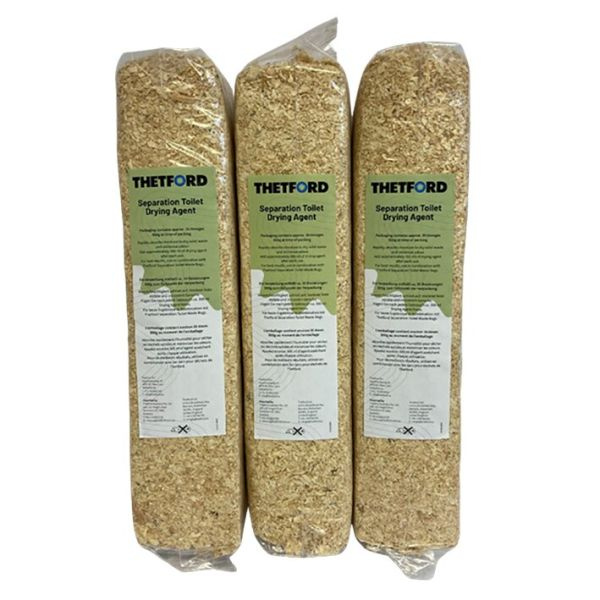
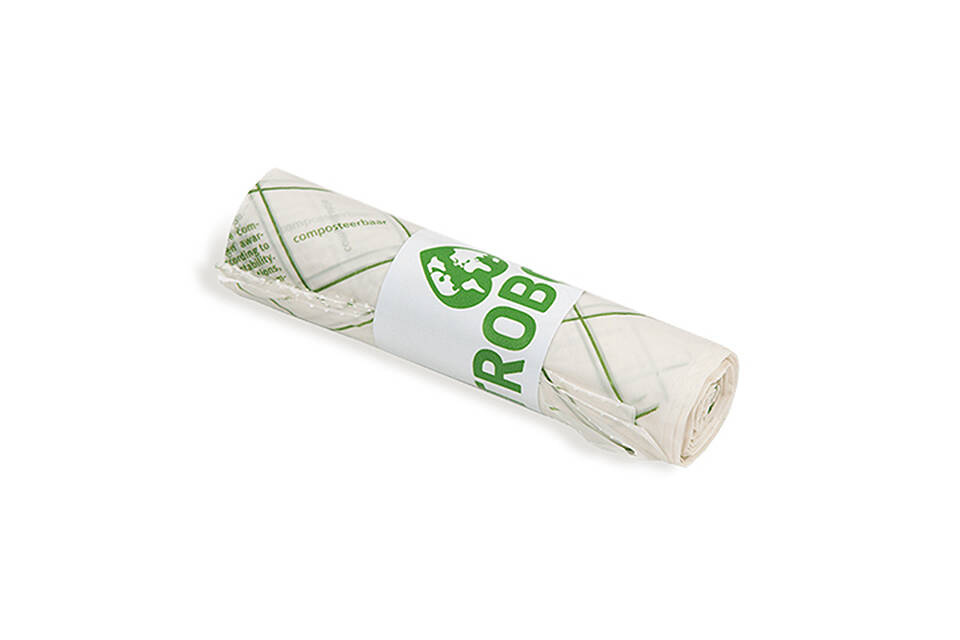
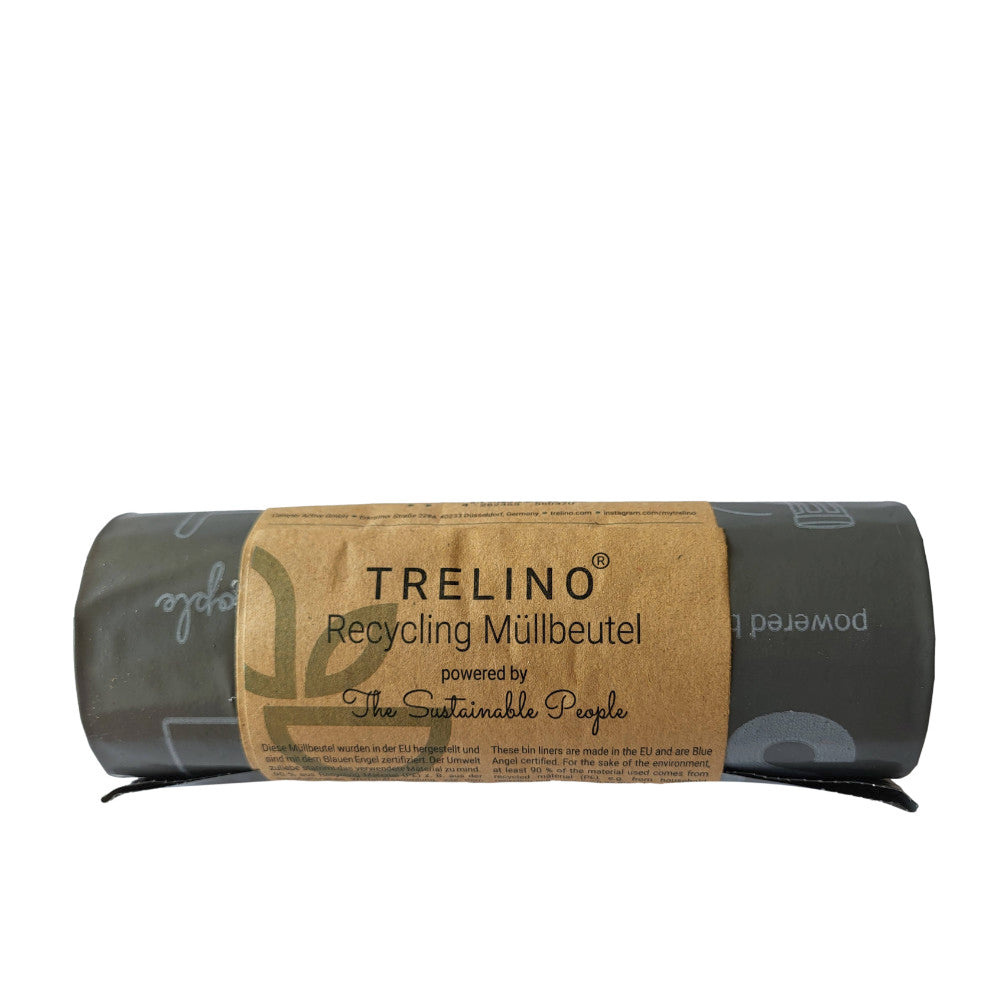
To get started
Step 3: Use – how not to spoil the separation
A separating toilet only works well when urine and solids end up where they belong. Keep these rules in mind:
- ✓Sit down to use the toilet, men included. Only then does the separation work properly.
- ✓Cover solids with litter after each use. The WandaGO manufacturer recommends about 250 ml of litter, and Trelino about 50 g of its own litter per use. The amount depends on the material, so follow the instructions for your toilet.
- ✓Put toilet paper into the solids container. Do not put it into the urine section.
- ✓In case of diarrhoea, add more litter to bind the extra moisture.
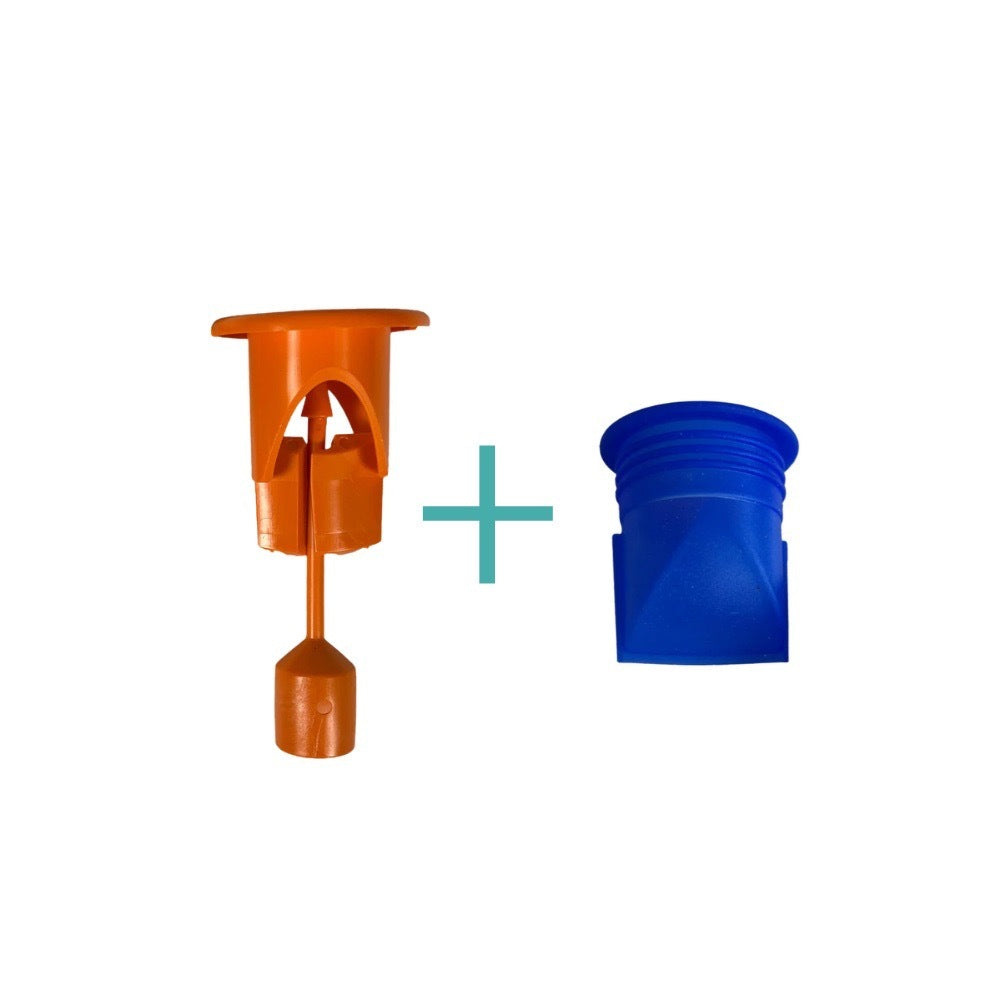
- ✓Keep an eye on the urine level. If your toilet has a level indicator, check it and empty the canister before it overflows.
A level indicator is available as an add-on
Step 4: Emptying – how often and where
How often you empty the toilet depends on its capacity and the number of people. In practice the urine canister is emptied more often than the solids container. The WandaGO manufacturer states that with two people the 4.6 l canister needs emptying roughly every day. For one person, every one to three days is usually enough. Manufacturers usually give the solids capacity in number of uses, e.g. about 8–11 for the BilaBox and about 3–6 for the OGO Nomad S.
- ✓Urine is poured into a normal toilet connected to the sewer, e.g. at a campsite, service point or at home. Do not pour it onto the ground in public places.
- ✓Solids in a tied bag go, according to the manufacturers, into mixed (residual) waste. However, waste rules differ between municipalities, countries and campsites. Check the local regulations or ask the campsite staff before you travel.
- ✓Composting is possible, but only in a separate, closed composter and over a long time. TROBOLO recommends at least 24 months. The resulting compost is suitable for ornamental plants, trees and shrubs, not for edible crops. If you want to compost, use compostable bags instead of plastic ones.
Tip:After emptying, rinse the canister and clean it regularly with vinegar or citric acid. More on that in the next step.
Step 5: Cleaning – vinegar, citric acid and enzyme cleaners
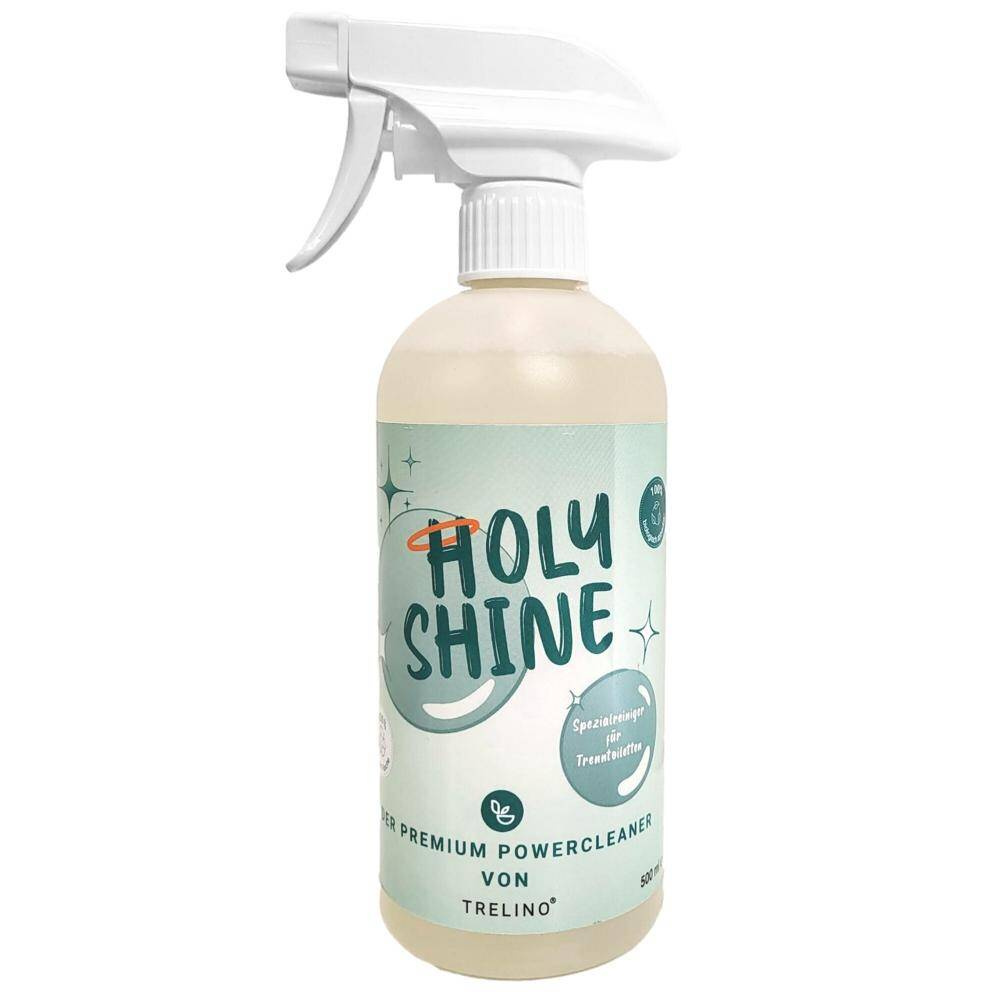
- ✓Diluted vinegar or citric acid in a spray bottle is enough to clean the separating insert, canister and container. The acid dissolves urine scale.
- ✓Biodegradable enzyme cleaners work well on stubborn dirt.
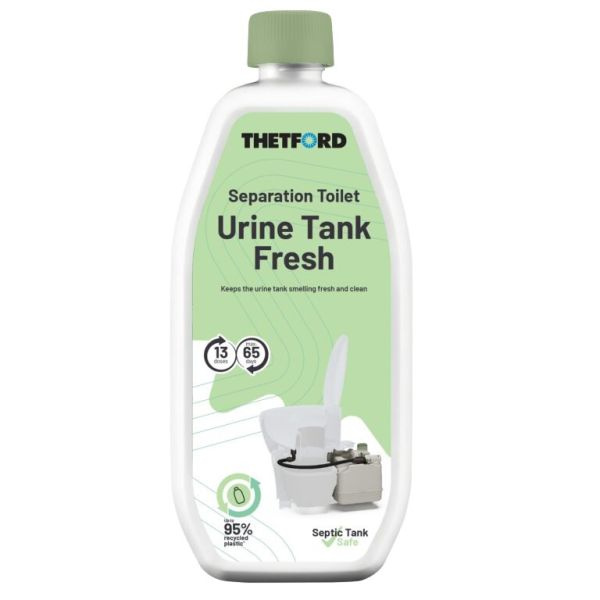
- ✓An additive in the urine canister reduces urine scale and odour.
- ✓Avoid strong, aggressive detergents. They can hinder later composting of the contents. Rinsing with water alone does not remove urine scale, so use an acidic cleaner for regular cleaning.
Cleaners and additives
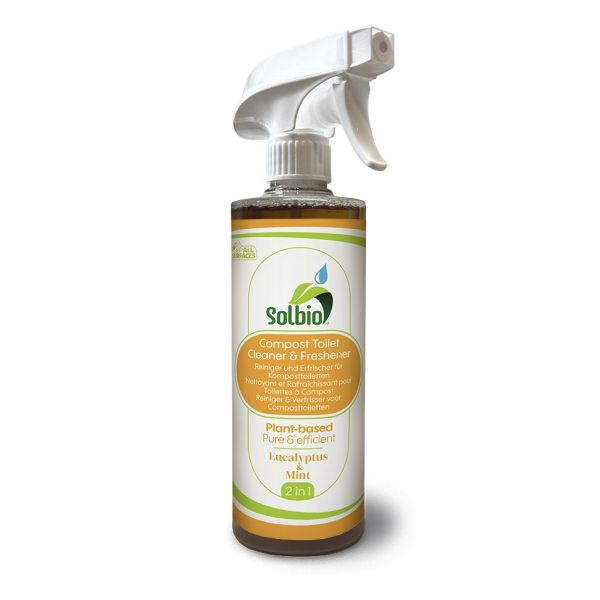
Common problems and how to fix them
Most problems with a separating toilet come from skipping one of the steps above. Here is how to recognise and fix them:
Urine in the solids container
Most common cause: The toilet is not level, or someone uses it standing up
Solution: Level the toilet and always use it sitting down (steps 2 and 3)
Unpleasant smell
Most common cause: Too little litter, open lid, canister not emptied often enough
Solution: Add litter after every use, keep the lid closed and empty the canister more often; with heavier use, add a fan
Wet contents, diarrhoea
Most common cause: Too much liquid in the solids section
Solution: Add more litter (step 3)
Overflowing urine canister
Most common cause: Level not checked
Solution: Check the level indicator and empty the canister regularly (step 4)
Torn or leaking bag
Most common cause: Bag too thin, no litter on the bottom
Solution: Strong, opaque bag and approx. 1 cm of litter on the bottom (step 2)
Deposits and urine scale
Most common cause: Cleaning with water only
Solution: Vinegar, citric acid, canister additive (step 5)
Frozen urine
Most common cause: Toilet in an unheated part of the vehicle
Solution: Keep the toilet in the warm interior and empty the canister before parking up
Still smells? When a fan helps
A small toilet that is emptied often and used by one or two people usually works well without a fan. Trelino, for example, states that its S model needs no fan because of the short emptying cycles. A fan is useful when:
- ✓the toilet is emptied less often or used by more people,
- ✓condensation builds up in the vehicle,
- ✓you want the solids to dry faster.
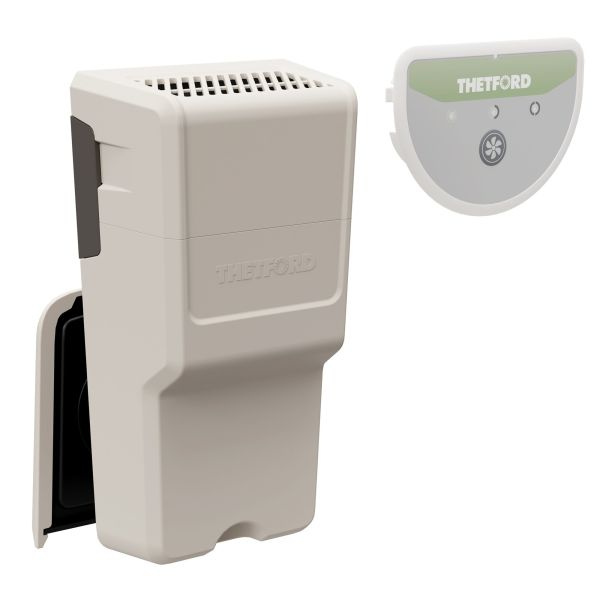
The fan usually runs on 12 V and vents air outside through a hose and an opening in the wall or floor. An outlet with an activated carbon filter further reduces odour outside.
Ventilation accessories
Frost – separating toilet in winter
A separating toilet has no flushing water, so in winter there is nothing to drain or protect with antifreeze. Still, keep a few things in mind:
- ✓Urine in the canister can freeze if the toilet is in an unheated part of the vehicle. In frost, keep it in the heated interior and empty the canister before longer stops.
- ✓Before laying up the camper for winter, empty and wash the canister and container, then leave them open to dry.
- ✓Moisture builds up more easily in a vehicle in winter. Ventilation and dry litter help to reduce condensation.
For more on preparing your camper for winter, read our guide Camper winterization step by step.
Types of separating toilets – which model to choose
Portable separating toilets
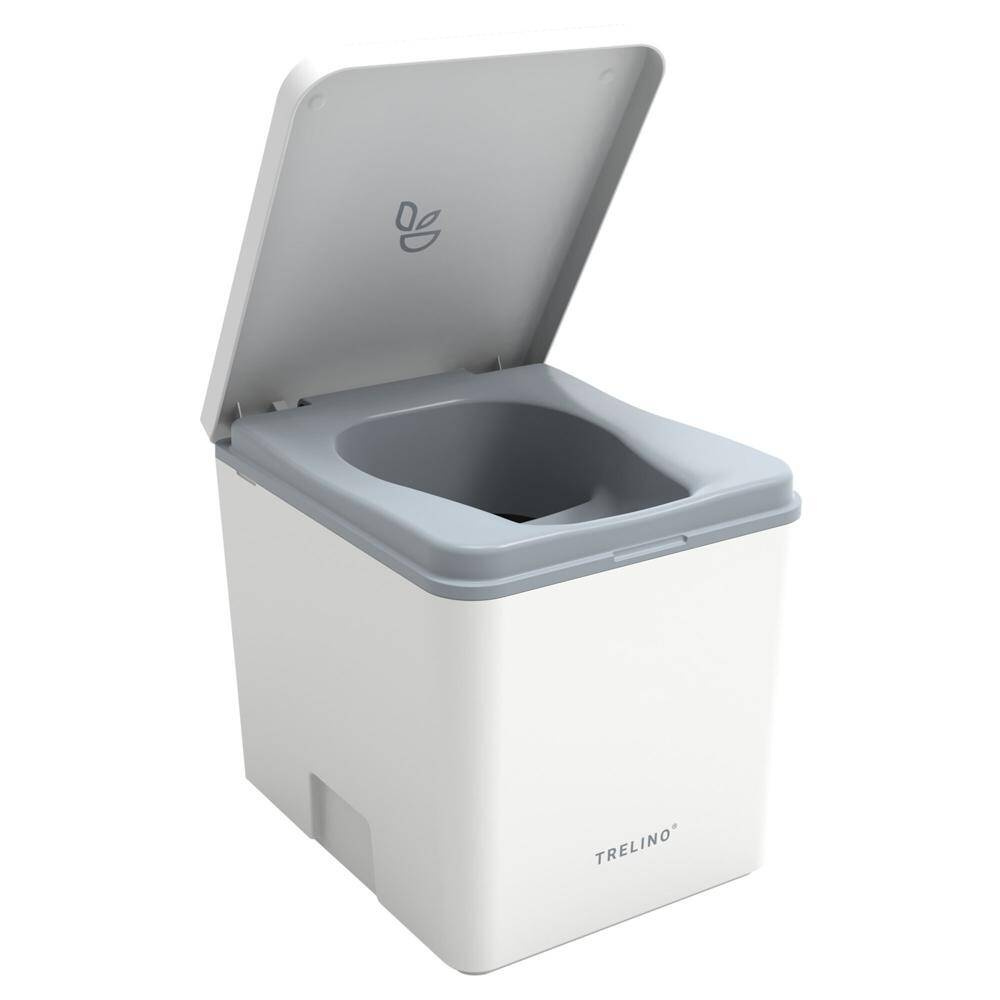
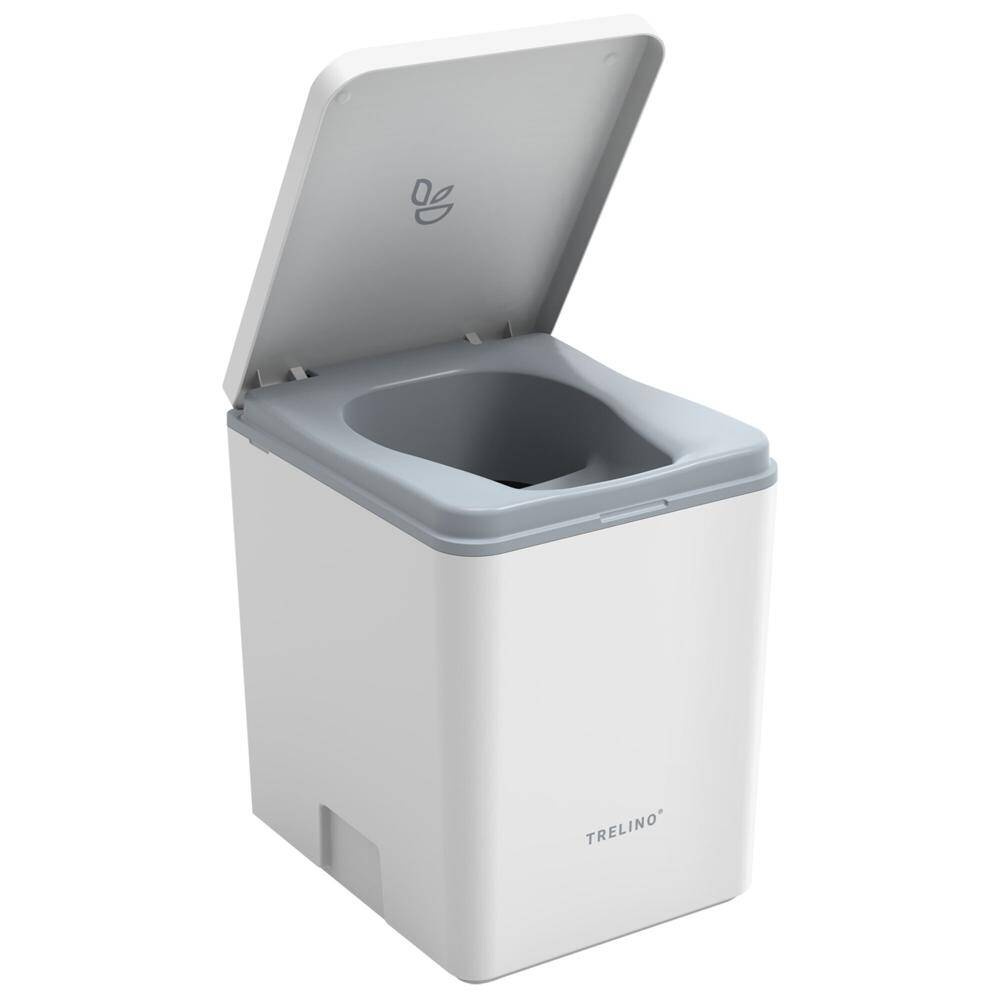
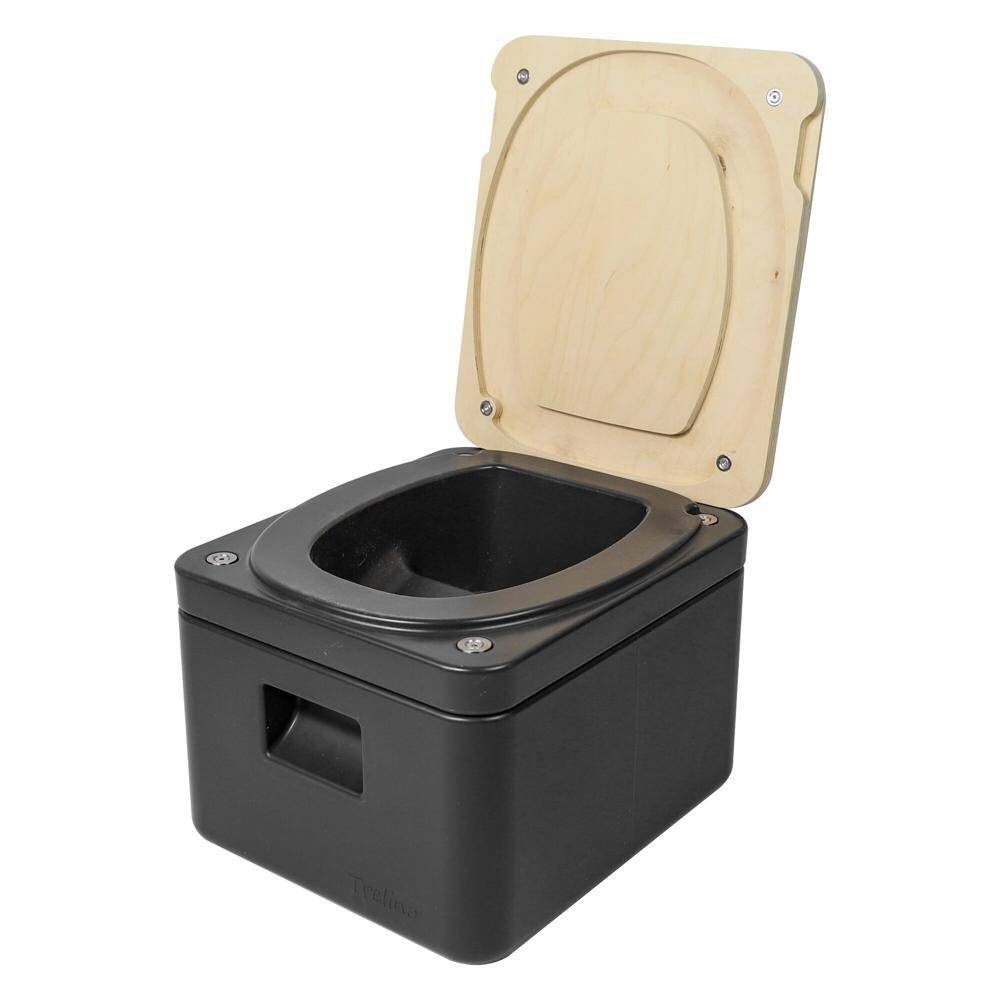
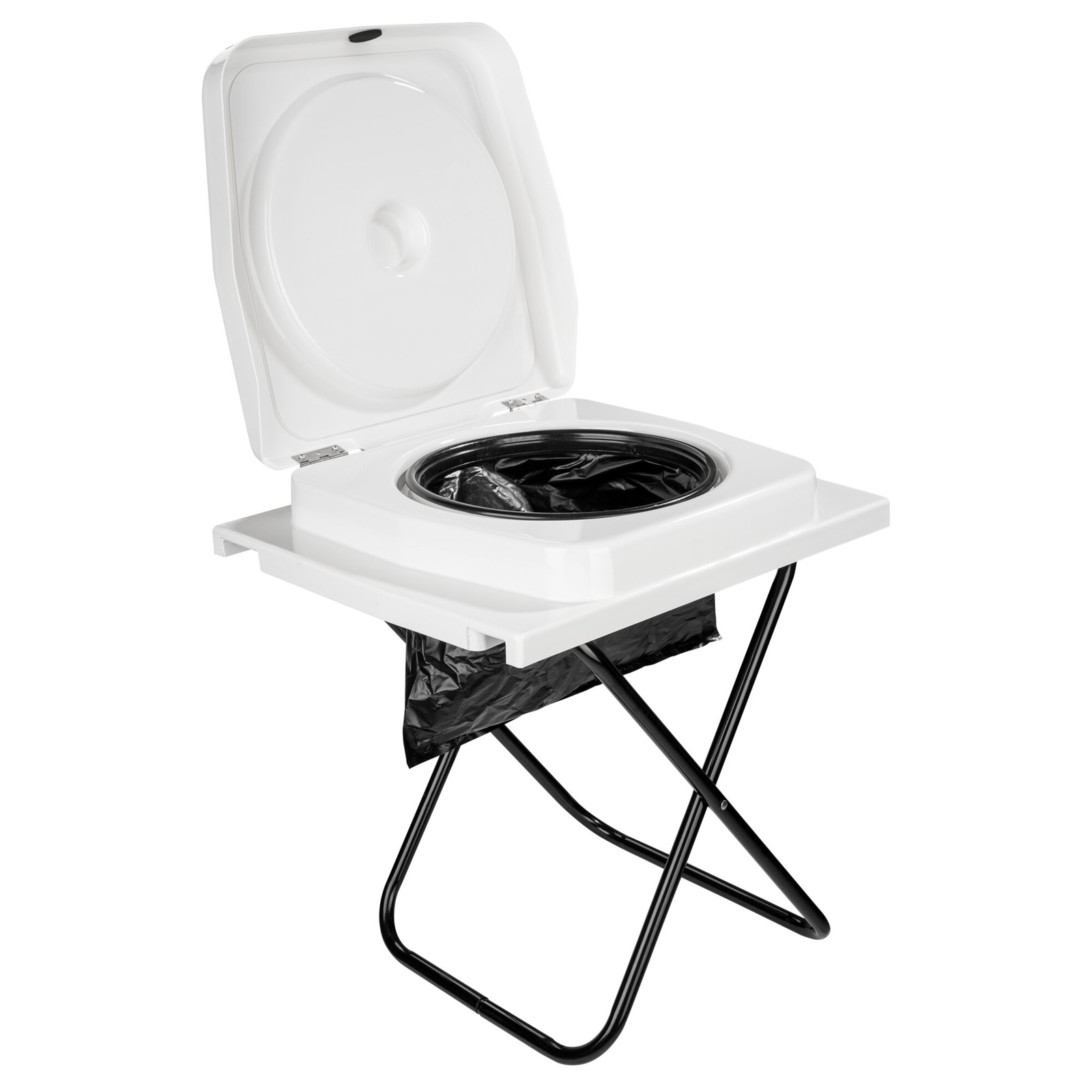
This is the most popular choice for vans, campers, caravans, allotments and tents. You can place them anywhere on a level surface and take out the canister and container for emptying. There are models in Eurobox format, which are easy to build into furniture, and plastic models with a built-in seat.
TROBOLO WandaGO
4.6 l urine canister, 6.5 l solids container, weight 4.2 kg, spill protection and level indicator.
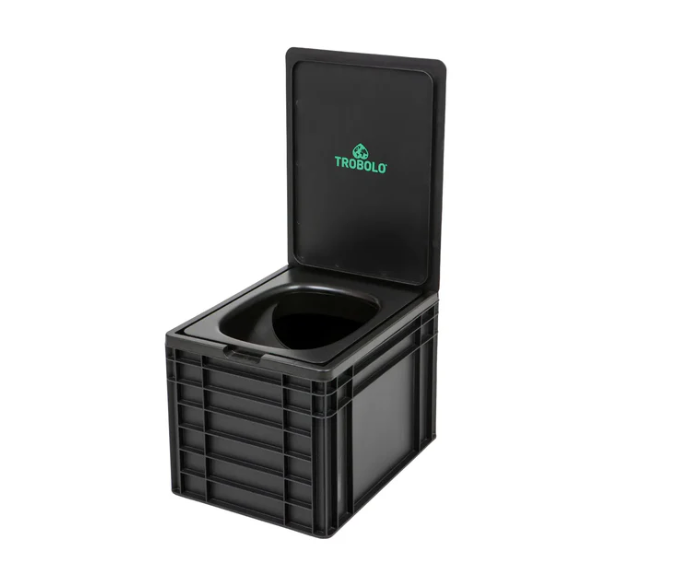
TROBOLO BilaBox
Eurobox format, weight 2.9 kg. The 6.2 l solids container lasts about 8–11 uses, the 4.6 l canister about 10–20 uses.
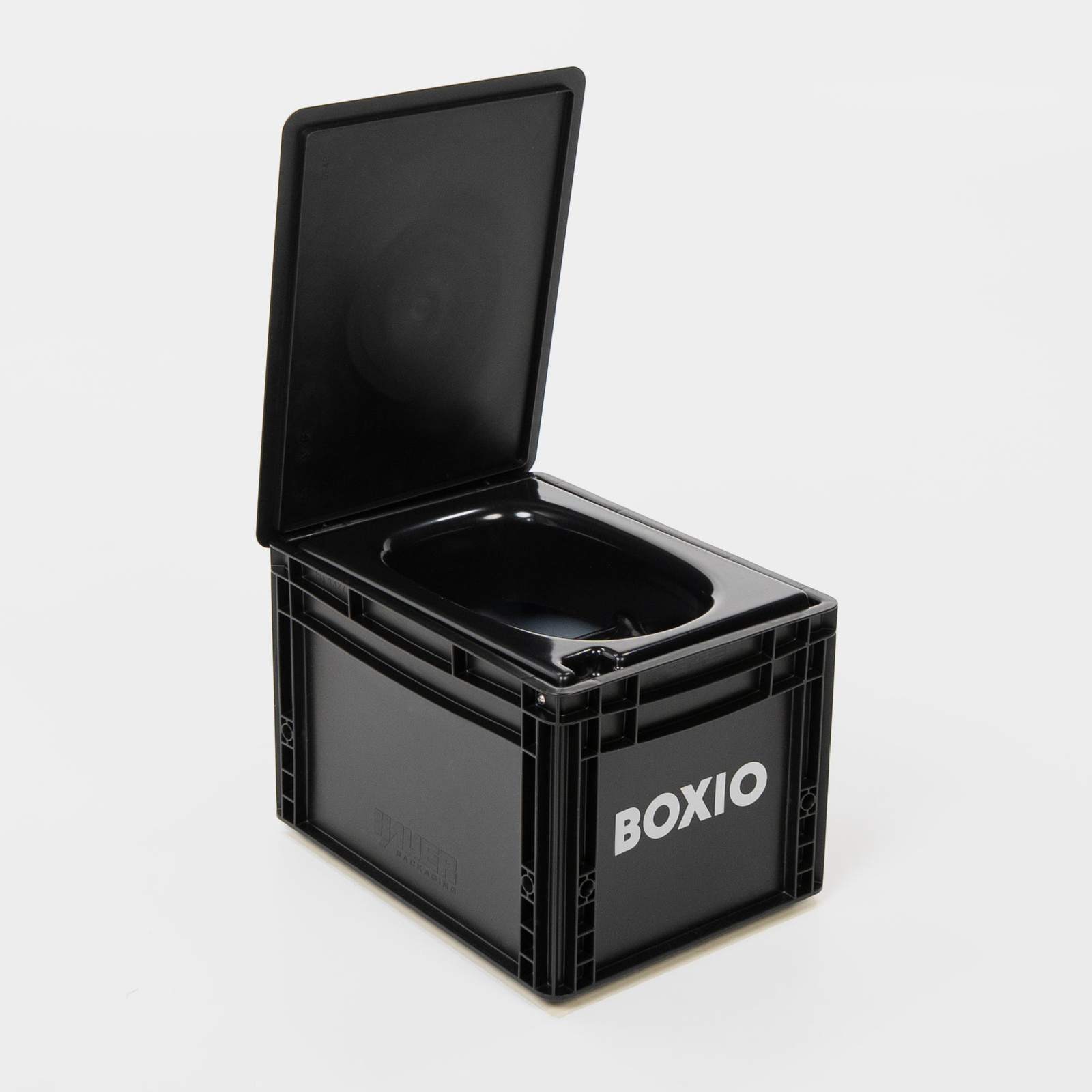
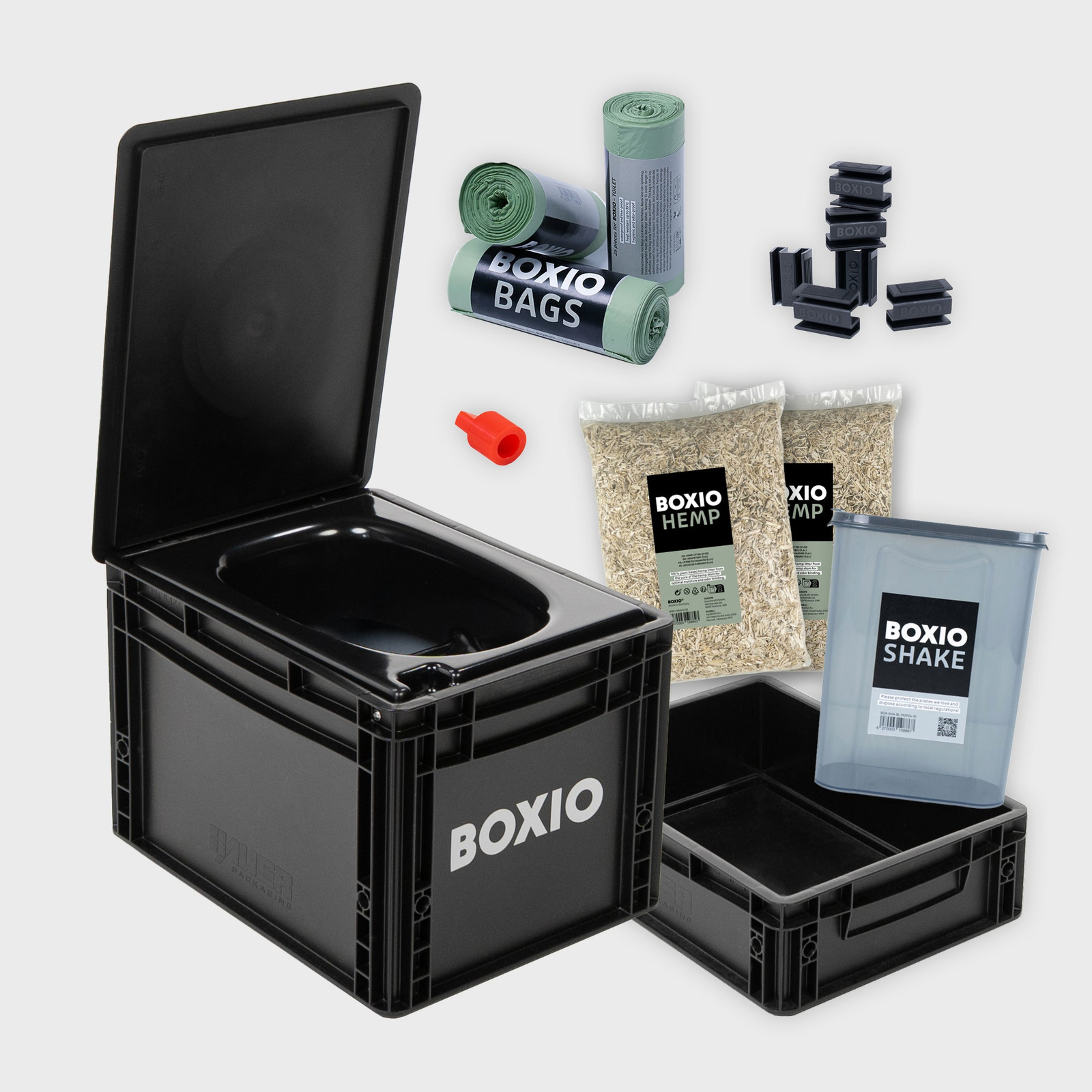
BOXIO
Eurobox format 40 × 30 × 28 cm, 5.7 l solids container (about 8–10 uses), 5 l canister.
OGO Nomad S
weight 6.8 kg, 5.3 l canister, odour trap with spill protection. The solids container lasts about 3–6 uses, roughly a weekend for two people.
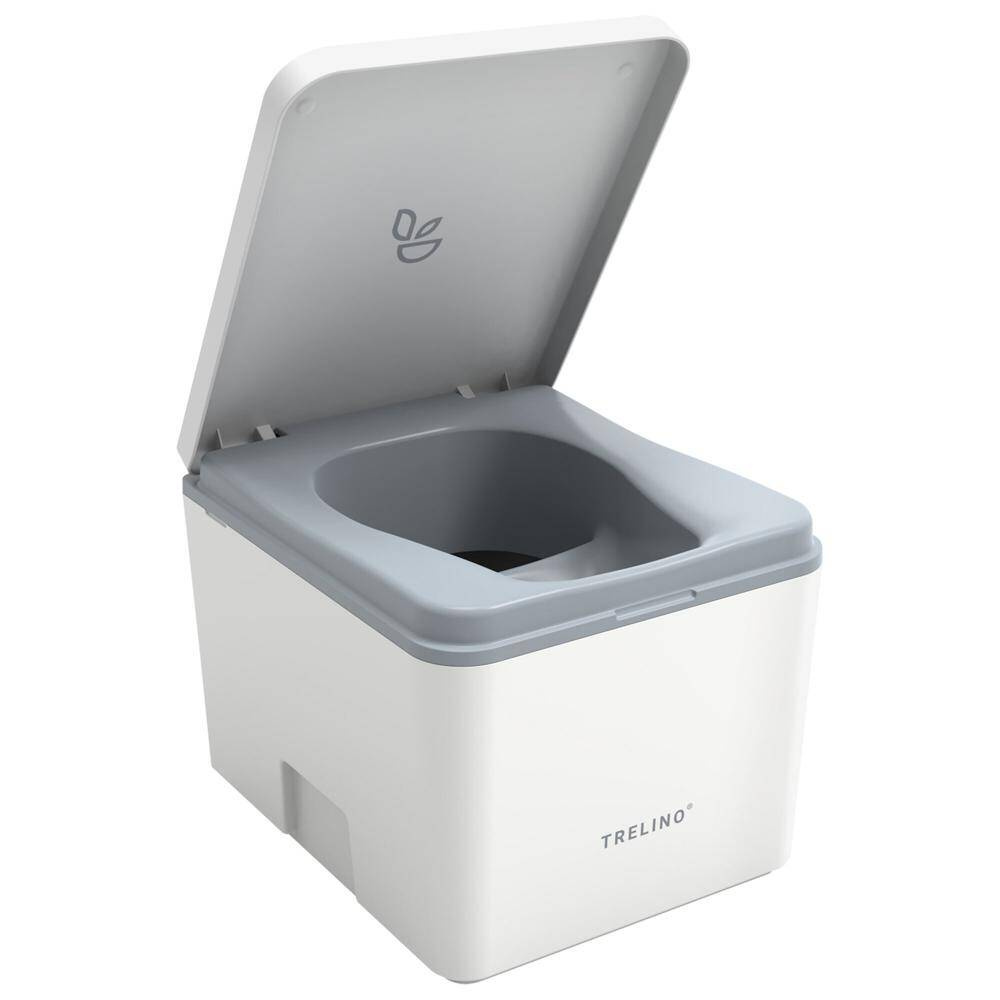
Trelino Evo
three sizes. S has a 4.5 l canister and a 6.5 l container, M 5 l and 8 l, and L 10 l and 10 l. A fan is available separately.
Portable separating toilets
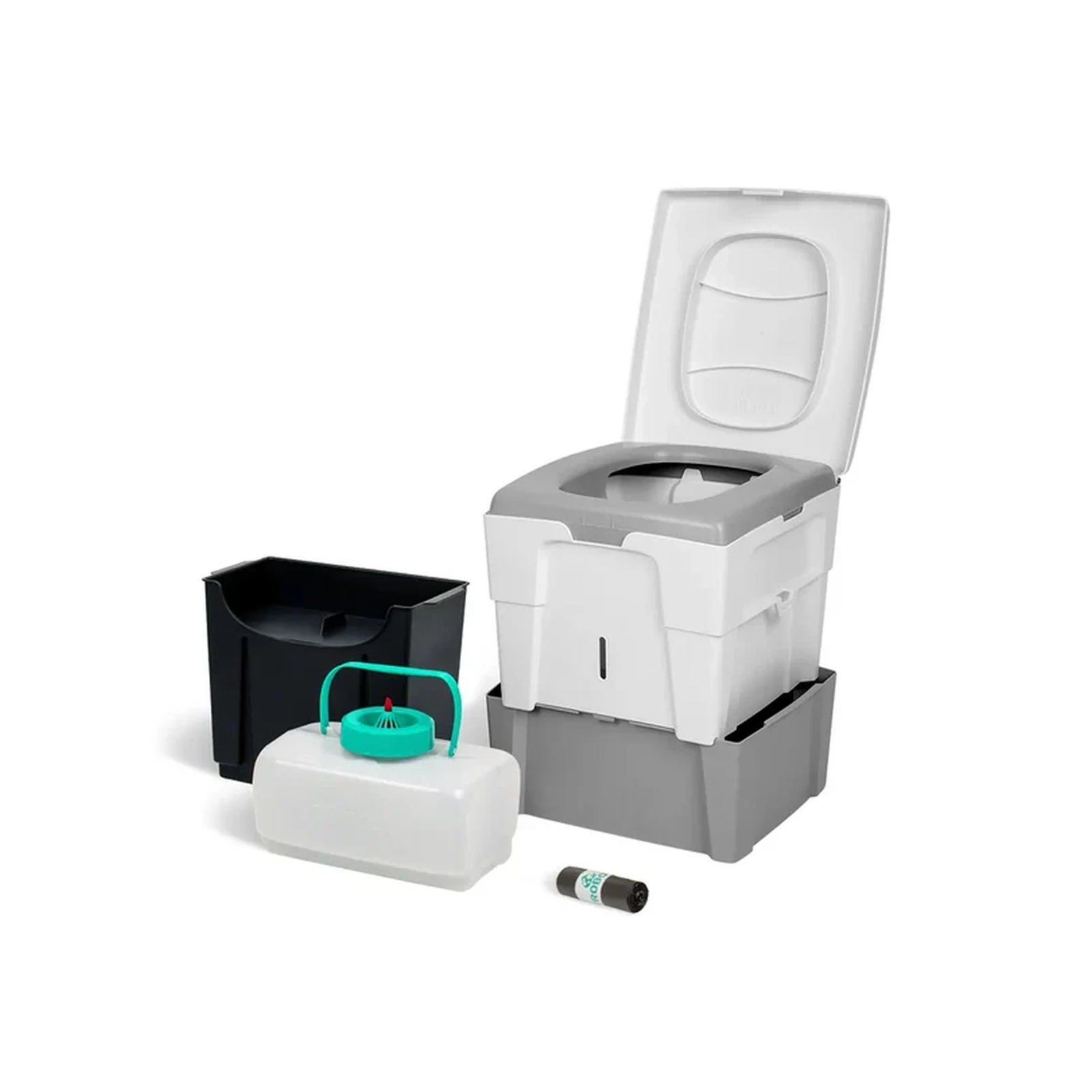
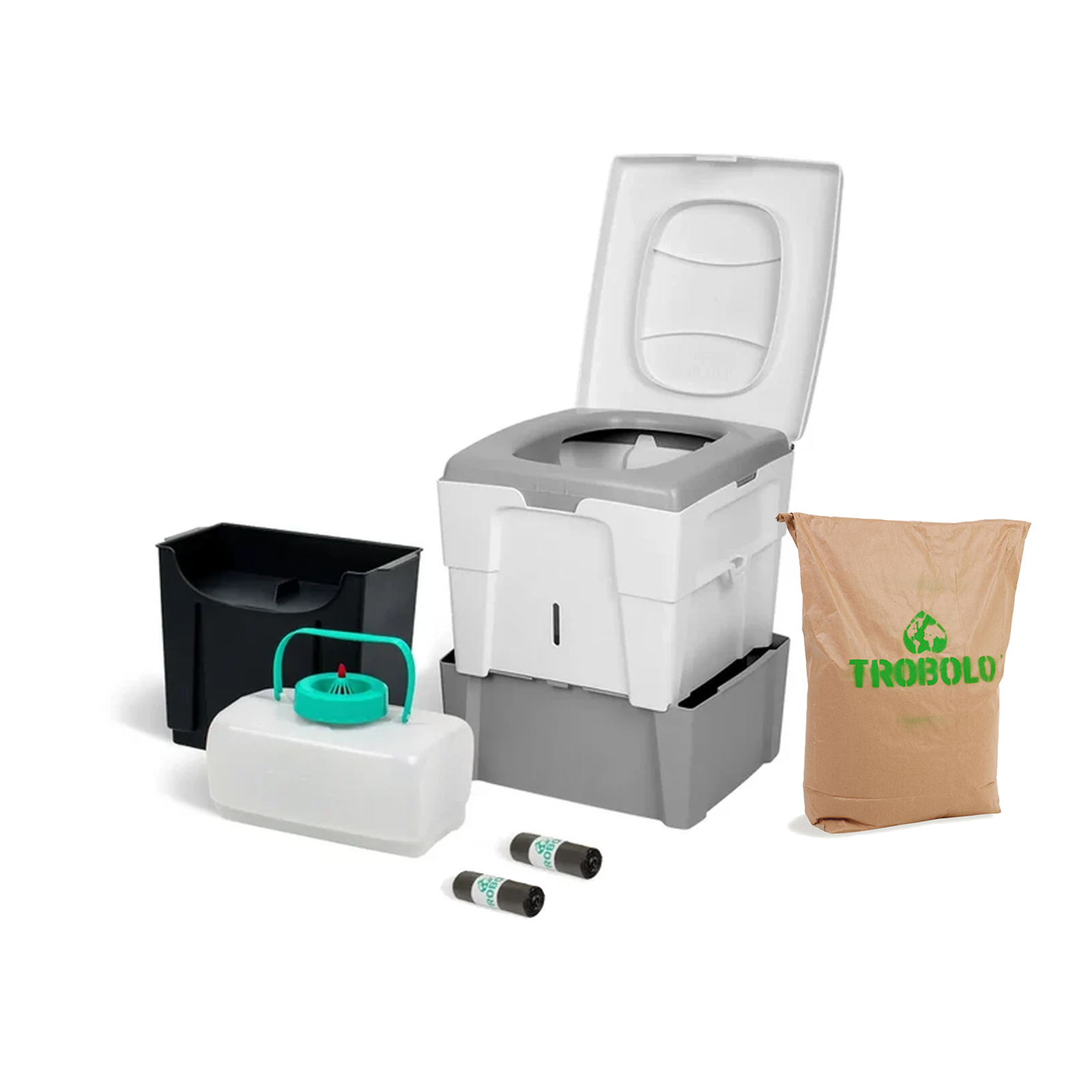
Toilets with an agitator
In these models the solids container has an agitator (manual or electric) that mixes the contents with litter, usually coconut fibre. The solids dry faster, and the container needs emptying less often than a toilet with a bag. These toilets are usually heavier and more expensive, and an electric model needs a 12 V supply. One example is the OGO Origin Compact with an electric agitator, an LED fill indicator and a 9 l urine bottle, which can be replaced by a connection to a larger tank. At the time of writing, this model is not available in our shop.
Built-in toilets for campers – replacing the cassette
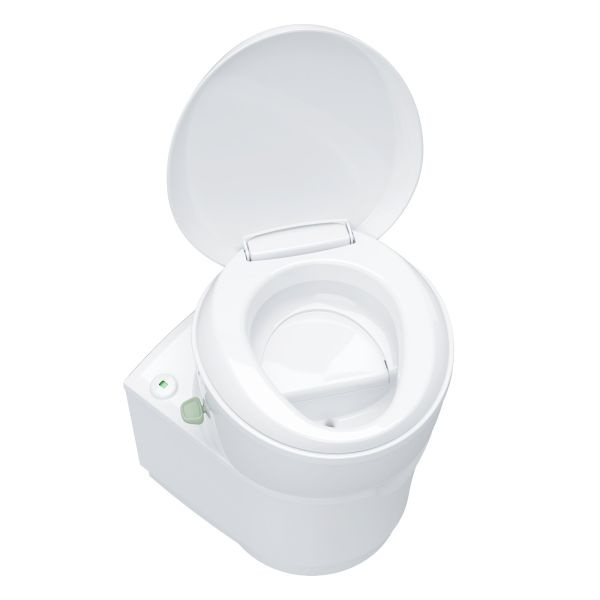
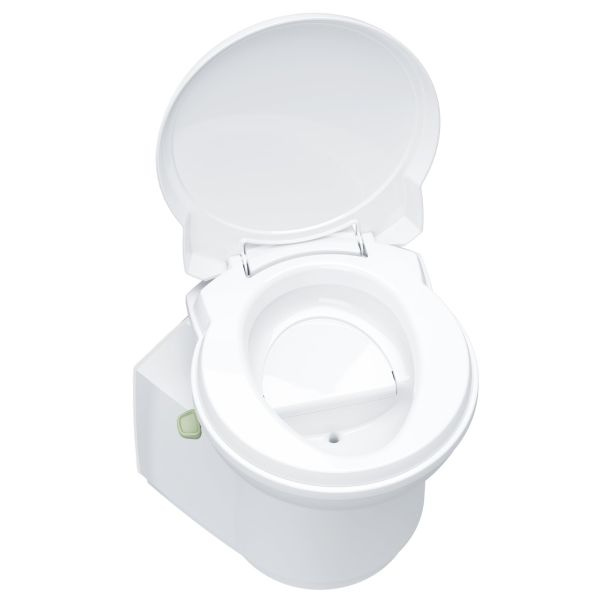
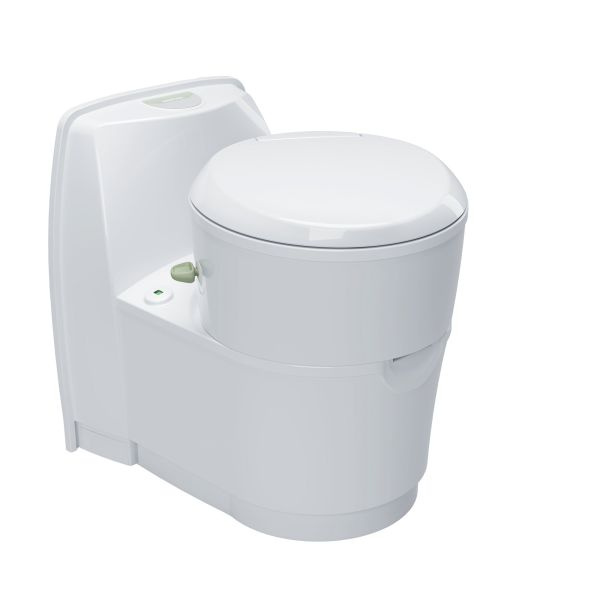
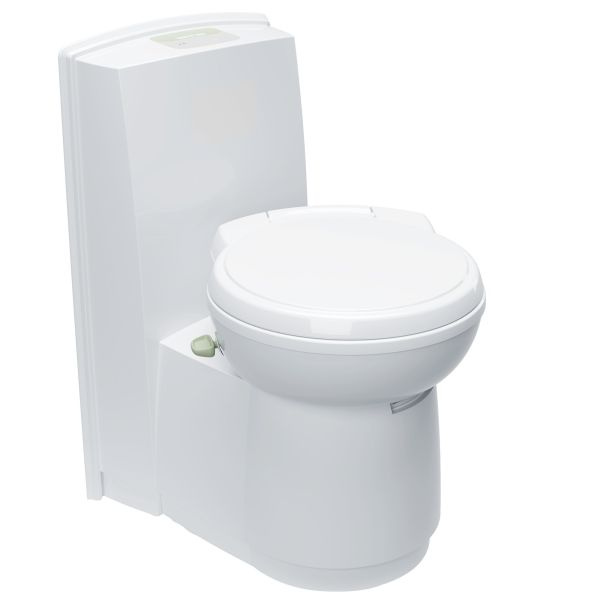
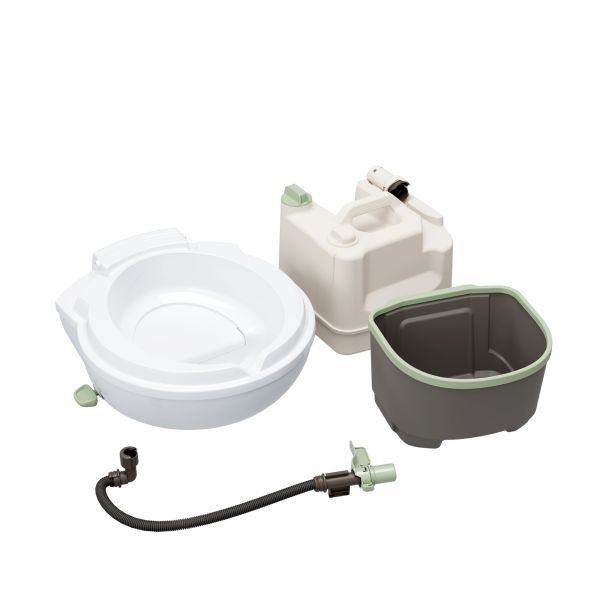
If your camper has a cassette toilet, you can replace it with a built-in separating toilet or convert it with a conversion kit. Urine is collected in a tank that is usually emptied from the outside through the service door, just like a cassette. The Thetford S220-S has a 7.5 l urine tank, a 7 l solids container, level indicators and optional active ventilation. The S260-S is a built-in version with an electronic urine level indicator.
Thetford built-in toilets and conversion kits
Tip:Before buying a conversion kit, check on the product page that it fits the model and version of your cassette toilet.
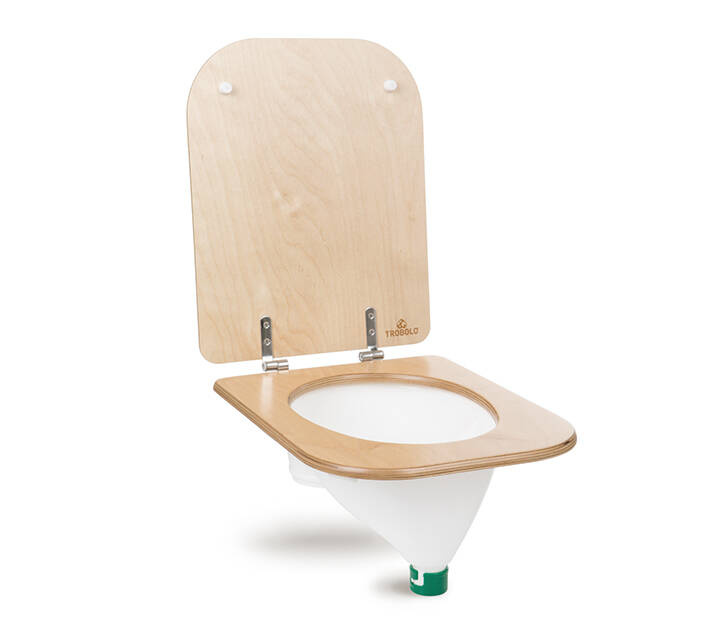
Stationary toilets – for cabins, garden houses and boats
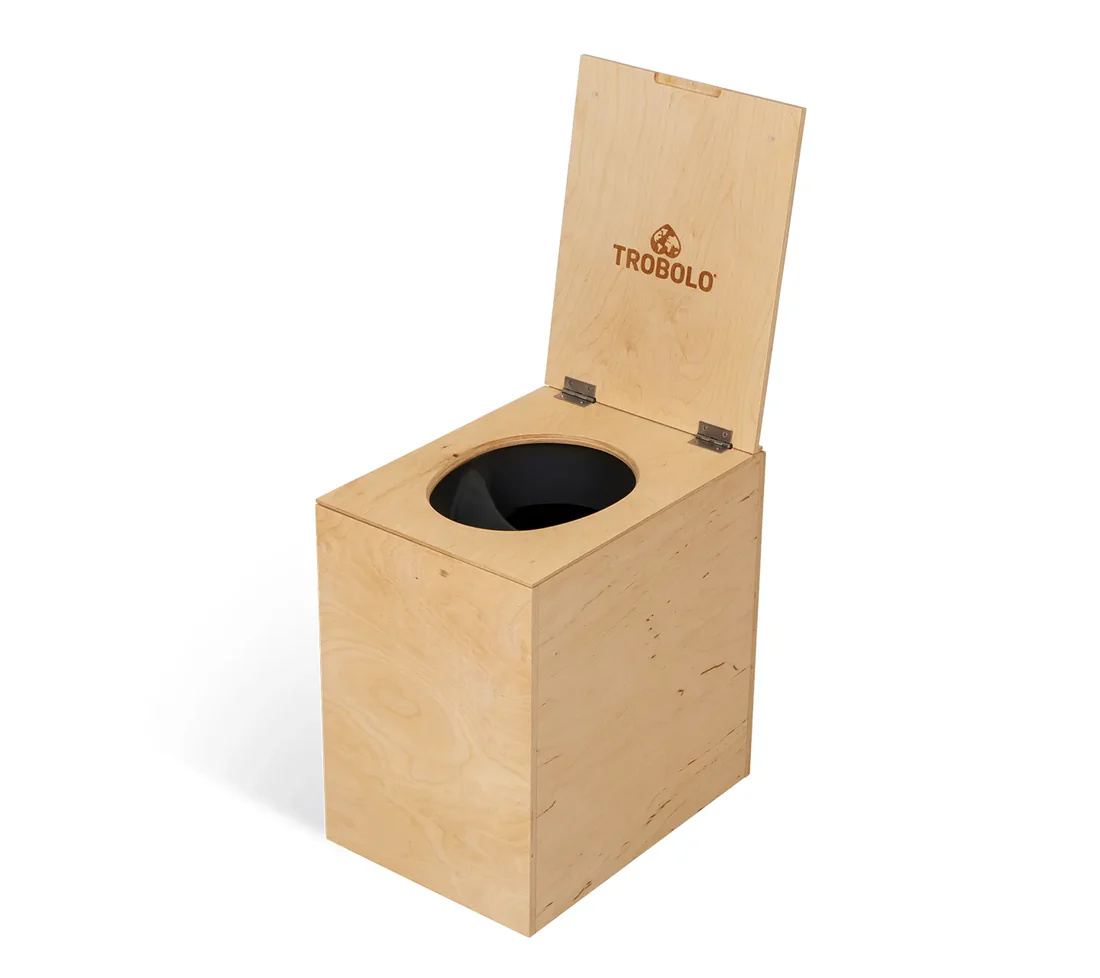
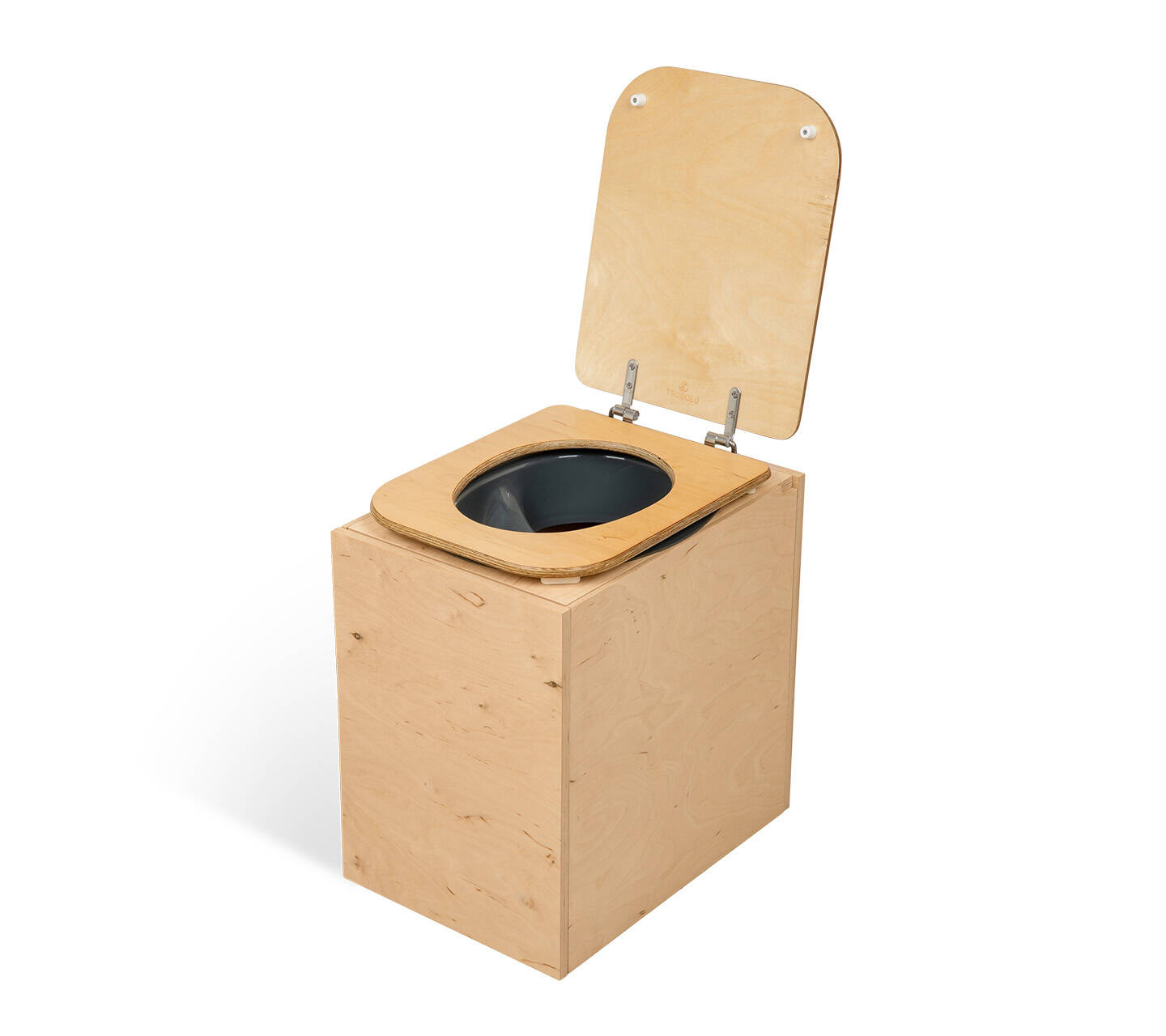
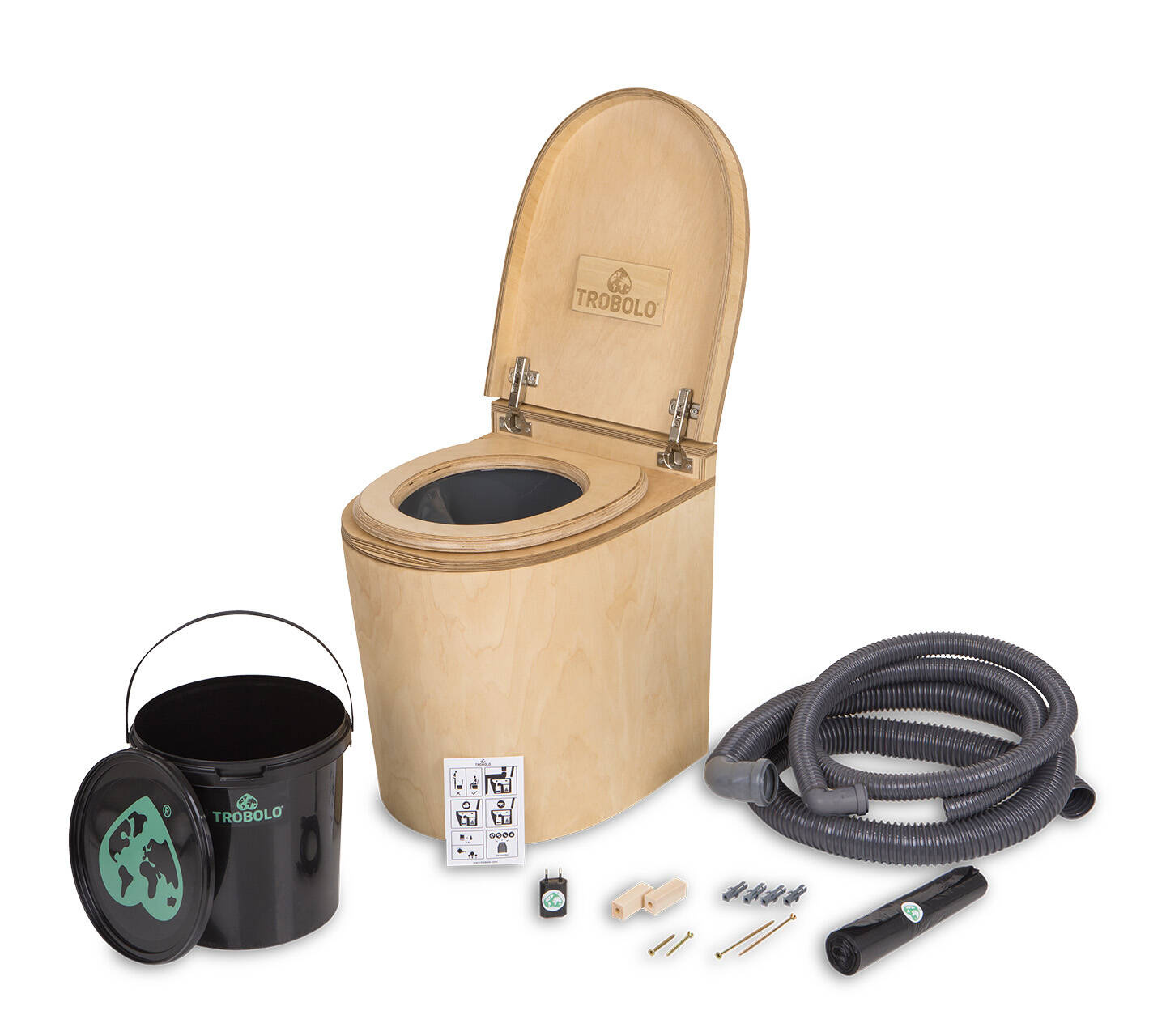
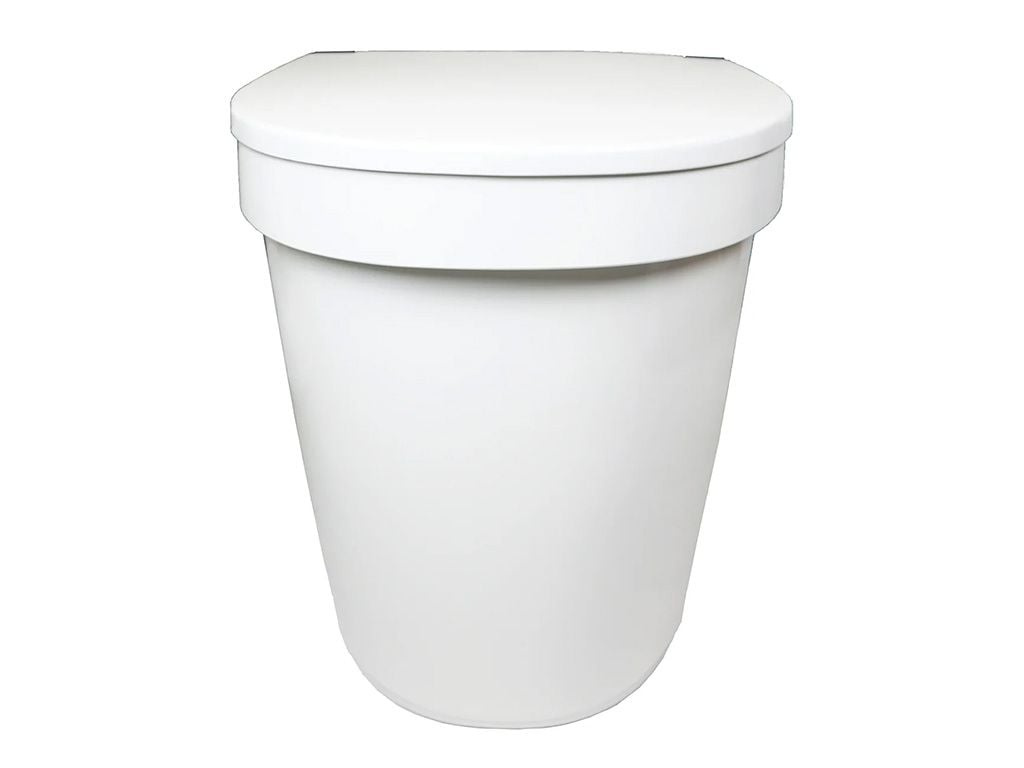
For an allotment, holiday cabin, tiny house or larger boat, stationary toilets with bigger containers are a good choice. For example, the TROBOLO TeraBlœm with a wooden housing has an 11 l solids container (about 15–20 uses), a 10 l urine canister (about 30–50 uses), a load capacity of 200 kg and optional electric air extraction.
Stationary toilets
DIY – separating insert
If you are building your own interior, you can buy just the separating insert and build it into a box or bench.
Separating, cassette or incinerating – a comparison
- ✓A cassette (chemical) toilet is built into the camper and flushed with water. Waste goes into a cassette with a chemical additive, which is emptied at a dump station or a designated point. It works like a normal toilet, but needs water, chemicals and a dump station. See chemical toilets.
- ✓An incinerating toilet burns waste to a small amount of ash. It needs a lot of energy (electricity or gas) and a flue. It suits cabins and boats with access to energy. Details are in our post Comparison of incinerating toilets.
- ✓A separating toilet needs no water or chemicals, and often no electricity. It does need litter and regular emptying of the urine canister.
| Feature | Portable separating | Built-in separating | With agitator | Stationary | Cassette (chemical) | Incinerating |
|---|---|---|---|---|---|---|
| Flushing water | no | no | no | no | yes | no |
| Tank chemicals | no | no | no | no | yes | no |
| Electricity | no (fan optional) | no (fan optional) | yes, for an electric agitator | no (extraction optional) | usually 12 V (flush pump) | yes, a lot of energy (electricity or gas) |
| Installation | none, freestanding | in place of the cassette | freestanding or built-in | fixed, in a building or on a boat | factory-fitted in the camper | fixed, with a flue |
| Emptying | urine into a toilet, bag into waste | urine via service door, bag into waste | less often than with a bag | larger containers, less often | cassette at a dump station | ash |
| Best for | van, camper, allotment, tent | camper with a cassette toilet | longer trips, boat | cabin, garden house, tiny house | campsites with facilities | cabin or boat with access to energy |
Frequently asked questions
Summary
A separating toilet keeps urine and solids apart, so it needs no water, no chemicals and usually no electricity. It stays odour-free and trouble-free if you remember five steps:
- 1Design: separating insert, urine canister and a solids container with a bag.
- 2Preparation: strong bag, approx. 1 cm of litter on the bottom, toilet standing level.
- 3Use: always sitting down, litter after every use, toilet paper into the solids container.
- 4Emptying: urine into a toilet connected to the sewer, usually every 1–3 days, and the bag according to local rules.
- 5Cleaning: vinegar, citric acid or enzyme cleaners, no harsh detergents.
For a van and short trips a portable model is enough. A camper with a cassette toilet suits a built-in toilet or a conversion kit, and a cabin a stationary model.
All models and accessories are in the Composting toilets category.
Recommended
 On special offer
Our bestseller