
Camper winterization step by step: how to prepare your motorhome for winter and a ski trip
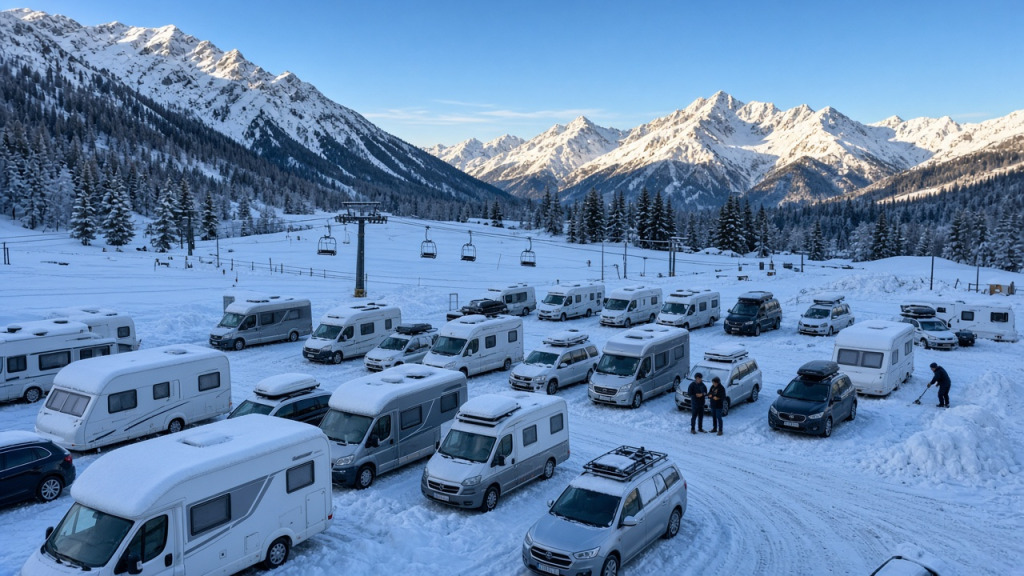
Winter doesn't have to mean the end of the season. Some people park their motorhome until spring, others are packing their skis right now and heading for the Alps. Either way, the same things matter: the water in the system must not freeze, heat shouldn't escape through the windows, and you need enough gas for frosty nights. In this guide we take you through camper winterization step by step: from draining the water system and insulating the windows to heating with GasBank gas bottles and refilling in Austria.
You'll find everything you need for winter in one place: Camper winterization - all products
Two scenarios: winter storage or winter camping
Before you start, decide how your motorhome will spend the winter:
Storage until spring
You drain everything that can freeze or protect it with antifreeze. The vehicle should be dry, clean and ventilated.
Winter camping, e.g. a ski trip
The system stays in use, so you protect it with heating and insulation and plan enough gas and power.
Many steps are the same in both cases, so we start with water, because it causes the most damage in winter.
Step 1: Water system - drain or protect it
Freezing water expands and can burst pipes, the pump, taps and even the boiler. Repairs can be expensive, while prevention is simple.
How to drain the water system before storage
- 1Switch off the pump and the water heater.
- 2Open all taps (hot and cold) and set mixer taps to the middle position.
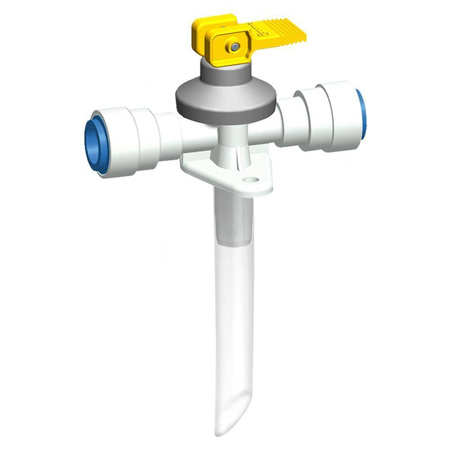
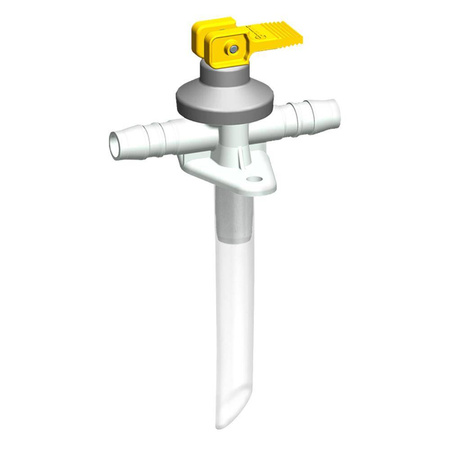
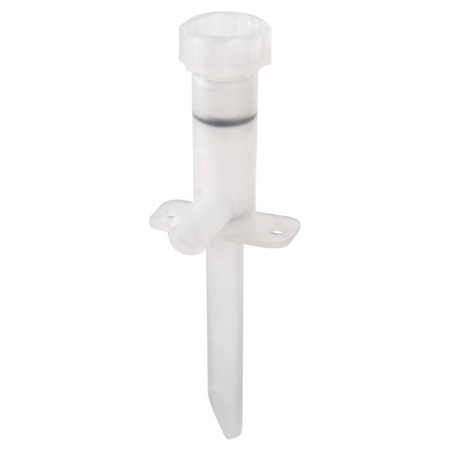
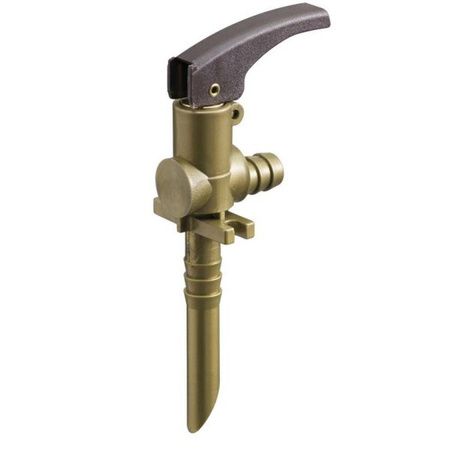
- 3Open the drain valves of the fresh water tank and the boiler. A boiler with a safety/drain valve is emptied by flipping the yellow lever.
- 4Empty and rinse the grey water tank.
- 5Leave the taps and drain valves open during storage so that any remaining water has room to expand.
- 6Don't forget the shower, the shower head, the water filter and the toilet flush.
Tip:If a drain valve is old, sticks or leaks, replace it before winter. If it is hard to drain all the water from the system, use an antifreeze suitable for drinking water systems. Pour it in after emptying the tank and use the pump to distribute it to all taps.
Products for winterizing the water system
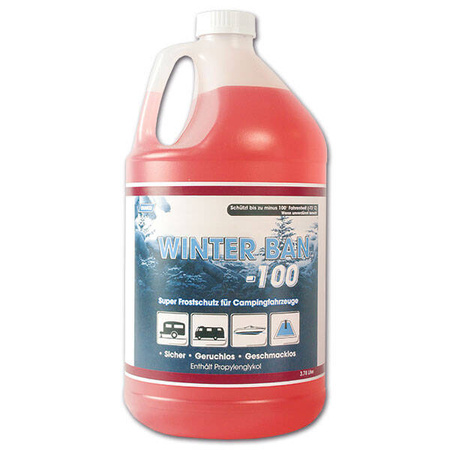
Winter Ban
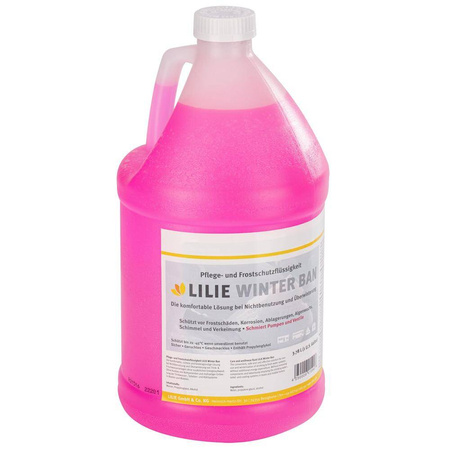
Winter Ban contains propylene glycol, not toxic ethylene glycol. You'll find the mixing ratios for each temperature on the product page. In spring, flush the system with clean water before using it.
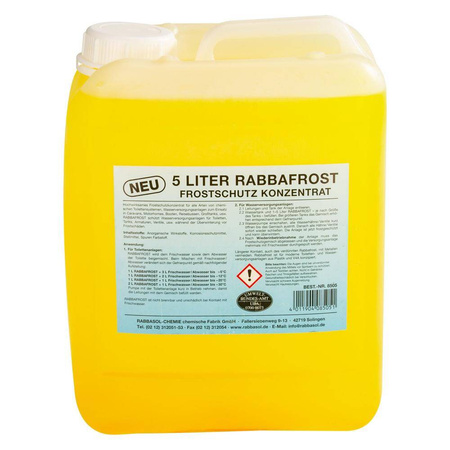
Rabbafrost
Rabbafrost is a concentrate that you dilute with water depending on the expected temperature - from -5°C (1 l to 3 l of water) to -30°C (2 l to 1 l of water). It is also suitable for chemical toilets. The manufacturer designed it for systems made of plastic and V4A stainless steel and recommends avoiding prolonged contact with metals. Before using the system again, drain the mixture and flush the system several times with fresh water.
Automatic boiler protection: Truma FrostControl
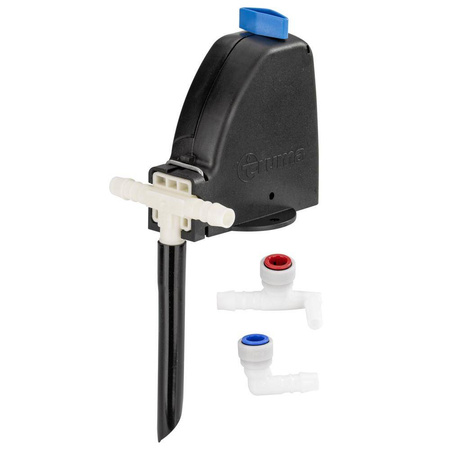
If you use your motorhome in winter, a valve that reacts to frost by itself is worth having. Truma FrostControl works without power: when the temperature at the valve drops below approx. 3°C, it opens and drains the water from the boiler to the outside. This protects you from the situation where the heating switches off at night and the boiler is already damaged in the morning.
Heating tanks and pipes for winter camping
On a winter trip, tanks and pipes under the floor are the most exposed. Heating elements with a thermostat that switch on automatically when it gets cold will help:
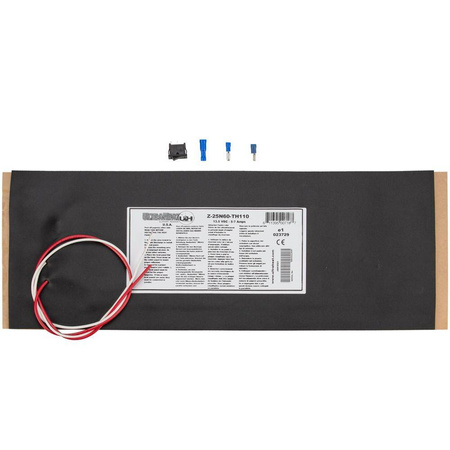
According to the manufacturer, it switches on below 7°C and off at 19°C.
Check price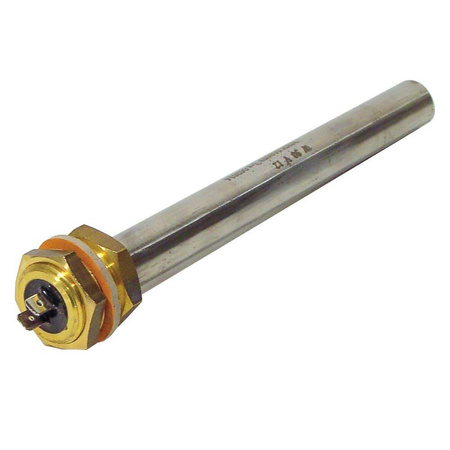
Mounted in the tank wall, it switches on at approx. 5°C.
Check price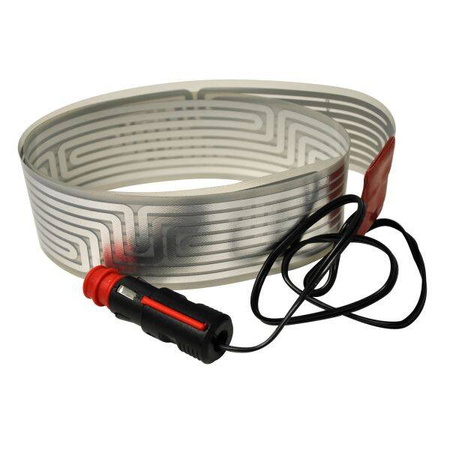
A lifesaver when a drain or valve has already frozen.
Check priceNote:12 V heaters draw power from the leisure battery, so keep an eye on its charge during longer stays without mains hook-up.
Step 2: Cassette toilet and grey water
Before storage
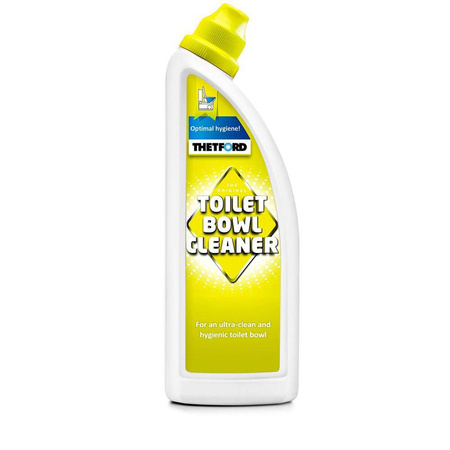
Before storage, empty and rinse the cassette and clean the bowl with a product that is safe for the seals. Leave the cassette slightly open so it can dry and doesn't smell. Also empty the flush: it usually has its own tank or is connected to the main system, so freezing water can damage it.
On a winter campsite
On a winter campsite, toilet chemicals work just as they do in summer. Just make sure the cassette doesn't stay in an unheated place longer than necessary, and empty it regularly.
Toilet and grey water chemicals
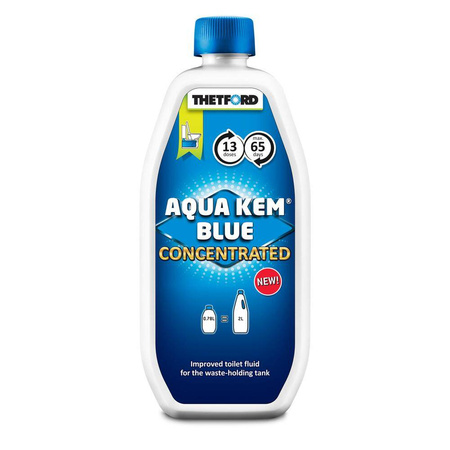
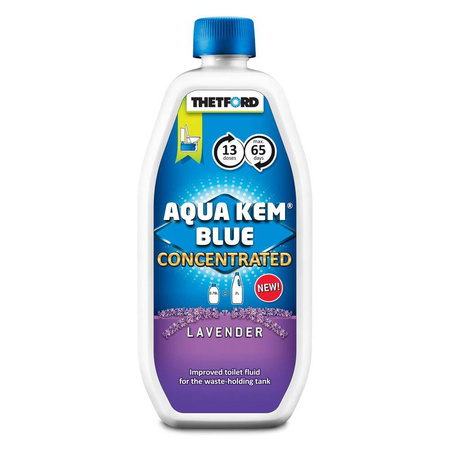
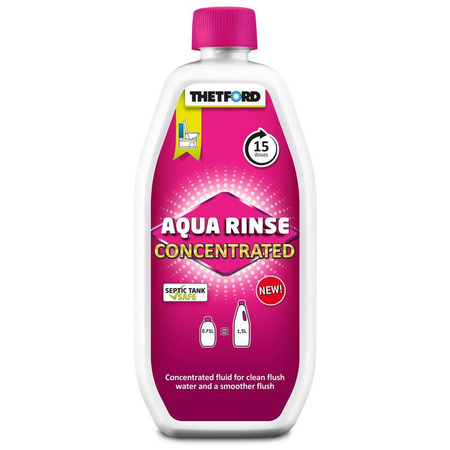
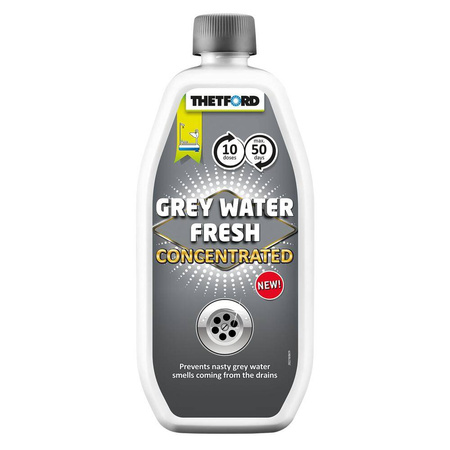
Step 3: Thermal insulation for windows and the cab
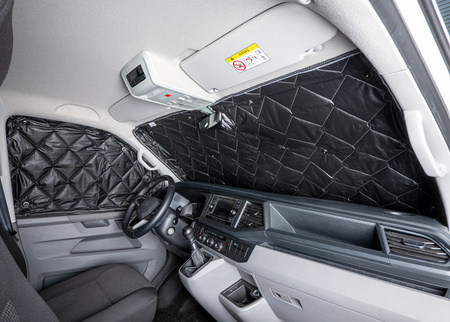
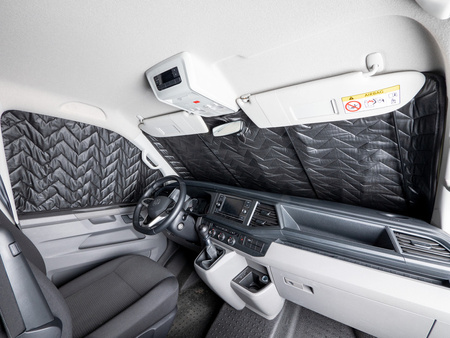
Windows, especially in the driver's cab, are where most heat escapes. Insulating the windows is one of the cheapest ways to make the heating run less and reduce condensation on the glass. During storage, the mats also keep the interior out of sight.
Cab mats made for your model
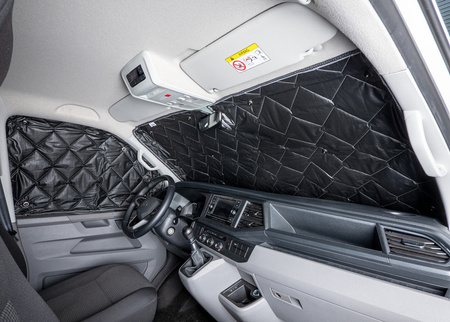
Ready-made Carbest Isoflex thermal mats (7 or 9 layers) are cut to fit a specific vehicle model. The Premium Blackline version is black on the inside and reflective on the outside, and the magnetic version goes on quickly without suction cups. Examples:
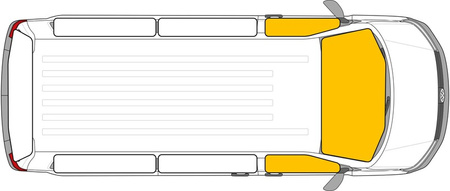
Mats for other models, as well as insulation for rear doors, hatches and the living area, can be found in the Camper winterization category.
Living area windows and non-standard glazing
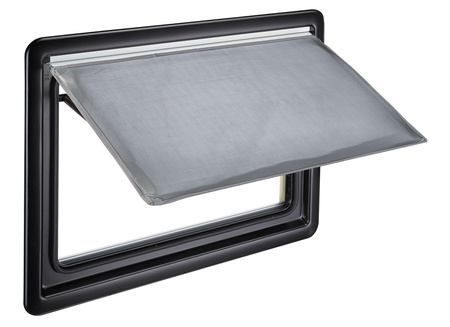
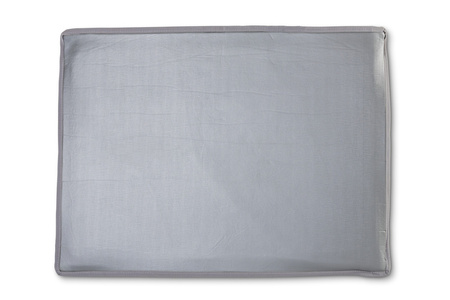
For hinged windows in the living area, the external Carbest Thermo-Cover, fastened with elastic straps, is a good choice. Measure your window before ordering and compare it with the size in the description. For windows without ready-made mats, there is a DIY kit.
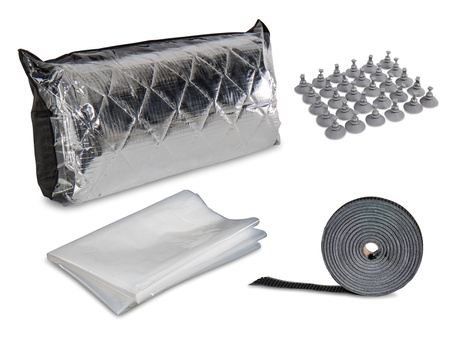
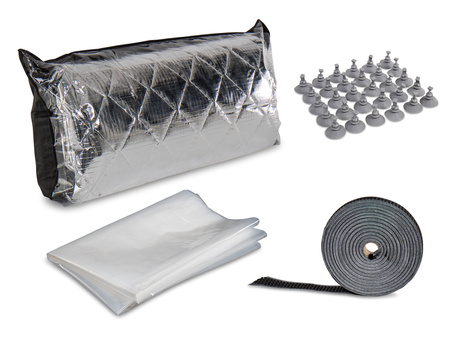
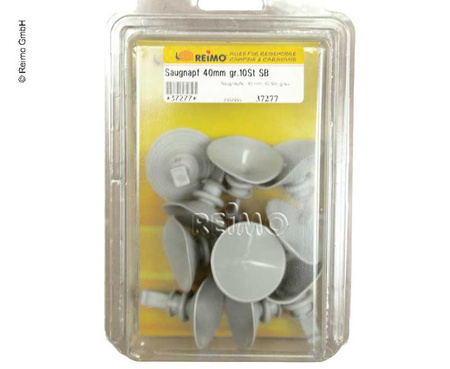
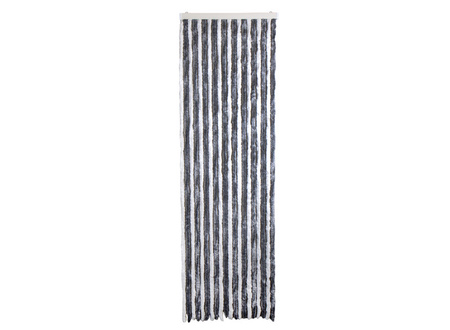
Tip:the glass and suction cups must be clean and dry for the mat to stick well. Even with mats fitted, air the vehicle every day - breathing, cooking and drying clothes produce a lot of moisture.
Step 4: Gas heating on a ski trip - GasBank bottles
On a winter trip, the heating runs almost all the time and gas consumption is much higher than in summer. That's why the choice of bottle and type of gas matters.
Propane or butane? Why the gas mix matters in winter
Liquefied petroleum gas (LPG) is a mixture of propane and butane. The difference is crucial in frost:
Butane
stops vaporising at around 0°C (boiling point approx. -0.5°C), so in frost the gas simply won't "come out" of the bottle even though there is still some inside
Propane
vaporises down to approx. -42°C, which is why it keeps the heating running in frost.
The more propane in the bottle, the more reliably the heating works in the mountains. With a butane-rich mix, warming the bottle helps, e.g. with a cover that raises its temperature and makes it easier for the gas to vaporise.
Travelling to Austria: filling stations usually sell pure propane
In Austria, filling stations usually sell pure propane rather than a butane-rich mix. Good news for skiers: a bottle filled in Austria copes well with frost, even when a summer mix would already fail. If you're heading to the Alps, plan to refill locally rather than bring gas of unknown composition from home.
A few things to keep in mind:
- The LPG station network in Austria is fairly sparse. Plan your refills along the route and don't wait until the bottle is empty.
- Connectors vary. In Austria you will find DISH and ACME filling nozzles, so take a full set of adapters.
- Station rules vary. Many stations don't allow filling bottles removed from the vehicle but do allow filling a permanently installed system with an external filler. The most convenient solution is a bottle with a remote filling kit. Before filling, check the station's rules and follow the regulations of the country.
- Only fill bottles designed for it, with an OPD valve that automatically stops filling at 80% of capacity. A standard exchange bottle must never be filled at a station.
Which GasBank bottle to choose for winter
GasBank bottles have an OPD valve that stops filling at 80%, and the DUO versions have a separate filling inlet with a non-return valve and a separate outlet to the regulator. This lets you refill the bottle without disconnecting it from the vehicle's gas system. The outlet has a standard G.12 (KLF) connection.

Ultra-light, weighs 5.55 kg empty.
Check price
A bottle with a filler that you mount on the outside of the vehicle.
Check price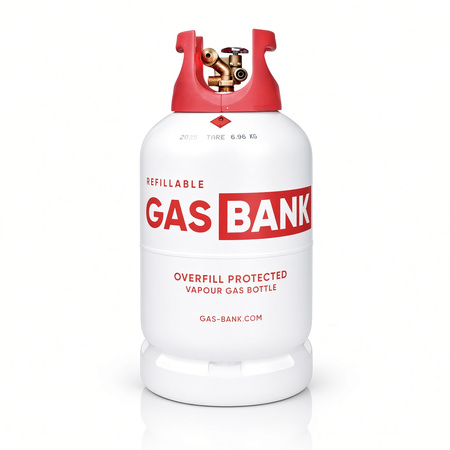
Fits standard gas lockers in motorhomes and caravans.
Check price
Good for smaller lockers or as a second bottle.
Check priceAccessories for winter and travelling abroad

Raises the bottle temperature in winter and protects it from damage. It has an opening at the bottom so gas can escape in case of a leak.
Check price
Shows how much gas is left, even in bottles without a level gauge, and you can check the reading on your phone.
Check price


Lets you connect a second bottle and increase your supply for long frosty nights.
Check priceYou'll find all bottles and accessories on the GasBank page in the Carbon Zorro shop.
Safety when heating with gas
- Only use heating designed for motorhomes, with the flue gases routed outside. Never heat the interior with a cooker, grill or camping burner: this risks carbon monoxide poisoning.
- Install a carbon monoxide (CO) detector and check that it works before you set off.
- Ensure ventilation. Don't cover vents or the floor openings of the gas locker, even when it's very cold.
- Clear snow from the heater flue on the roof or side wall, especially after snowfall at night.
- Check the regulator and gas hoses before the season: cracks, hardened rubber and the production date are signs that they need replacing. You can check the connections for leaks with a leak detection spray.
- Transport bottles upright and secured with straps in the locker designed for them.
Step 5: Interior, battery and bodywork
Interior
remove food and drinks, defrost and clean the fridge and leave it ajar. Stand mattresses and cushions up so that air can circulate.
Battery
charge it fully and connect a charger with maintenance mode, or disconnect the consumers. A discharged battery can freeze.
Bodywork and roof
wash the vehicle, check the seals of windows and skylights, and for longer storage consider a breathable cover.
Checklist: camper winterization
- ☐Pump and boiler switched off, water drained from all tanks and the boiler
- ☐Taps and drain valves left open during storage
- ☐System protected with drinking-water-safe antifreeze (if it can't be drained completely)
- ☐Grey water tank emptied and rinsed
- ☐Toilet cassette emptied, cleaned and left ajar, flush drained
- ☐Thermal mats on the cab windows and window covers fitted
- ☐Fridge cleaned and left ajar, food removed
- ☐Battery charged, maintenance charger connected
- ☐For skiing: bottle with propane (or a propane-rich mix), DISH/ACME adapters, bottle cover
- ☐CO detector checked, flue and ventilation clear, regulator and hoses checked
FAQ - frequently asked questions about camper winterization
Get your motorhome ready for winter with Carbon Zorro
Drain valves, antifreeze, thermal mats, toilet chemicals and heating accessories - we've gathered them all in one place.
See the full range: Camper winterization
Not sure which valve fits your boiler or which bottle to choose for skiing? Write to us - we'll be happy to advise.